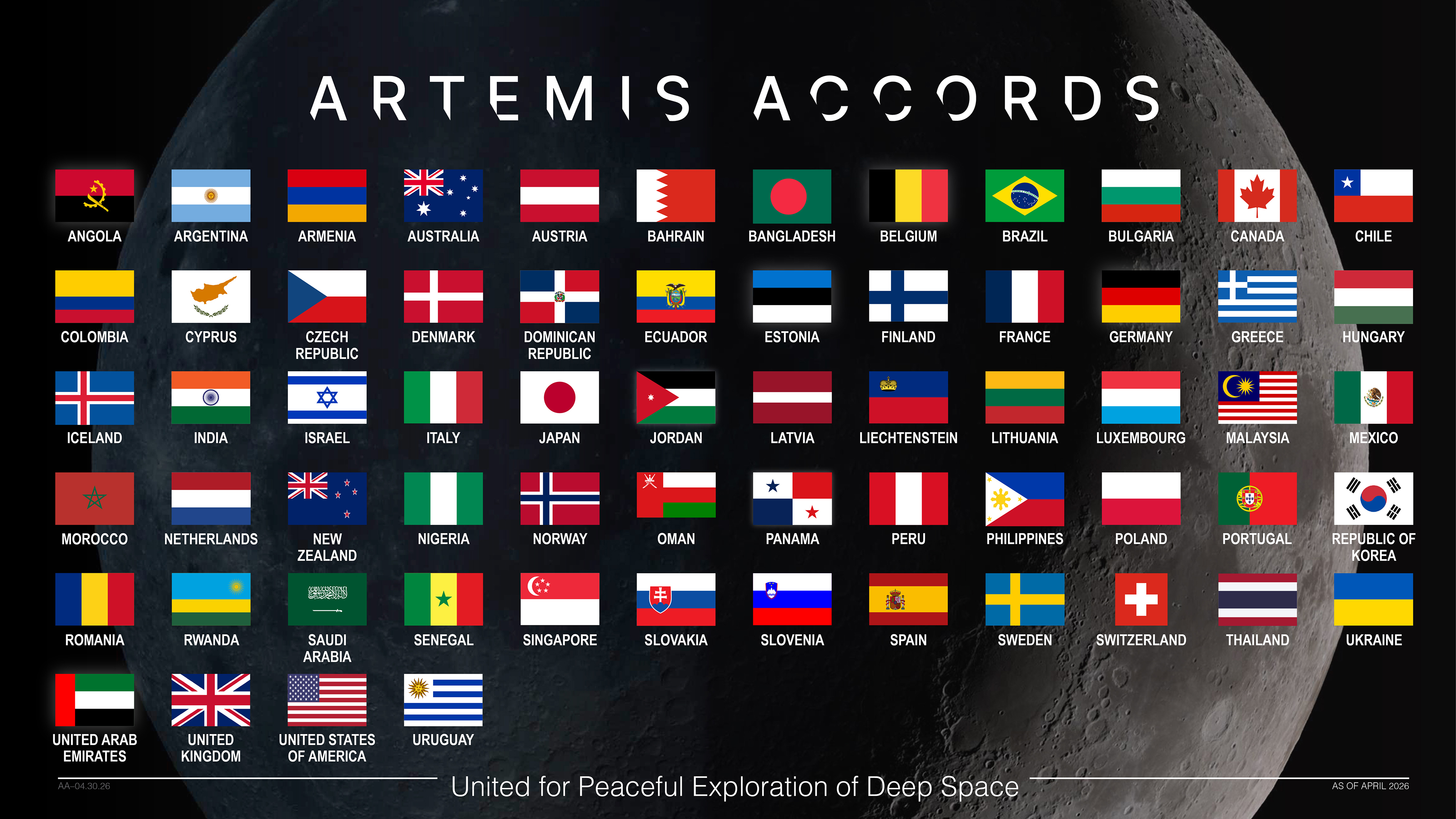
The Kingdom of Morocco officially became the 64th nation to sign the Artemis Accords on April 29, 2026, during a ceremony in Rabat. This milestone underscores a growing global commitment to peaceful and transparent space exploration, led by NASA and the U.S. State Department. Below, we answer common questions about what this means for Morocco, the accords, and the future of lunar and planetary exploration.
1. What are the Artemis Accords?
The Artemis Accords are a set of practical principles established in 2020 by the United States (NASA and the State Department) alongside seven founding nations. They provide a framework for international cooperation in the safe, transparent, and responsible exploration of the Moon, Mars, and beyond. The accords cover key areas such as peaceful use, interoperability, emergency assistance, scientific data sharing, resource extraction (with rules to prevent harmful interference), and preservation of space heritage. They are not a legally binding treaty but a political commitment that aligns like-minded countries toward common goals. As of April 2026, 64 countries have signed, reflecting broad support for a cooperative approach to humanity's next giant leaps.
2. Why did Morocco decide to sign the Artemis Accords?
Morocco's decision to sign the Artemis Accords aligns with its long-standing commitment to international cooperation in science and technology. Foreign Minister Nasser Bourita emphasized the country's dedication to shared values across critical sectors, including space. By joining, Morocco gains a seat at the table in shaping the future of space exploration—participating in missions, accessing scientific data, and contributing to the development of best practices. The signing also reflects Morocco's growing ambitions in the space sector, as it seeks to leverage space technology for national development, weather monitoring, telecommunications, and education. Becoming a signatory opens doors for Moroccan scientists and engineers to collaborate directly with NASA and other space agencies, fostering innovation and expertise.
3. Who signed the accords on behalf of Morocco, and what was the ceremony like?
The accords were formally signed by Morocco's Minister of Foreign Affairs, Nasser Bourita, during a ceremony in the capital city of Rabat on April 29, 2026. The event took place during an official visit by U.S. Deputy Secretary of State Christopher Landau, accompanied by U.S. Ambassador to Morocco Duke Buchan III. NASA Administrator Jared Isaacman delivered recorded remarks, welcoming Morocco and highlighting how the accords have evolved from a framework for peaceful exploration to a foundation for an enduring human presence on the lunar surface under President Trump's vision. The ceremony underscored the strong bilateral ties between the United States and Morocco, with both sides expressing enthusiasm for future collaboration.
4. What commitments does a country make when signing the Artemis Accords?
Signatories of the Artemis Accords commit to several key principles: exploring space peacefully and transparently, rendering assistance to astronauts in distress, sharing scientific data openly for the benefit of all humanity, ensuring that their activities do not interfere with those of other nations, and preserving historically significant sites and artifacts—such as Apollo landing sites—through best practices. They also agree to operate in a manner that reduces space debris and fosters interoperability of space systems. These commitments are designed to build trust and predictability among nations as space activities increase. For Morocco, signing means pledging to uphold these values in all its future space endeavors, from satellite operations to potential crewed missions, and working collaboratively with other signatories to shape the rules of the road in outer space.
5. How many countries have now signed the Artemis Accords, and what does the future hold?
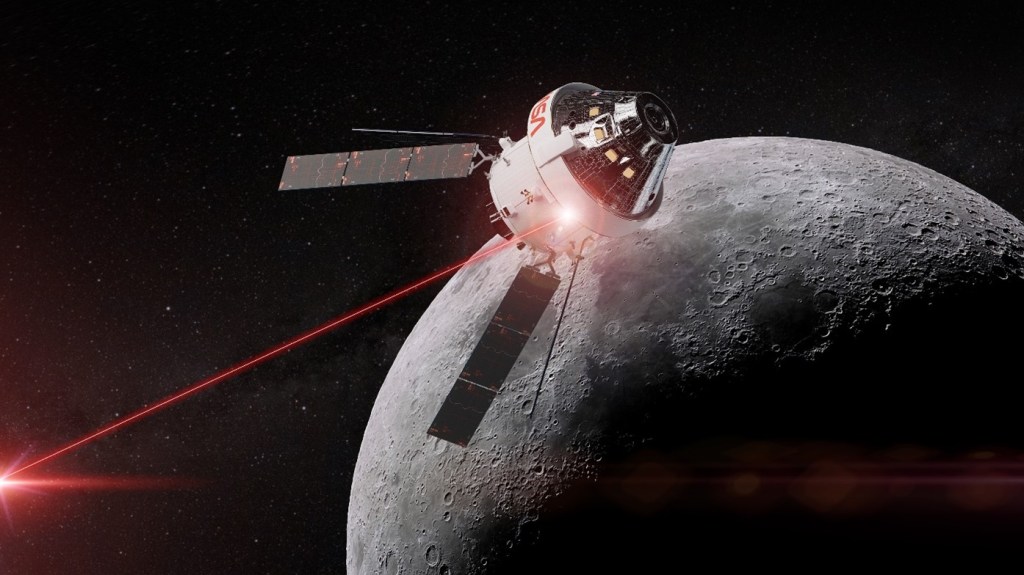
With Morocco's signing, the Artemis Accords now have 64 signatory nations—a significant increase from the original seven founding members in 2020. This rapid growth demonstrates widespread international support for a cooperative and sustainable approach to space exploration. NASA expects more countries to join in the coming months and years, as the agency continues its work to establish a safe, peaceful, and prosperous future in space. The accords serve as a diplomatic foundation for the Artemis campaign, which aims to return humans to the Moon and ultimately send astronauts to Mars. As new nations sign, the collaborative network expands, enabling diverse contributions—from scientific instruments to launch services—that strengthen the entire endeavor.
6. How does Morocco's participation benefit the Artemis program and global space exploration?
Morocco brings a unique geographical position and growing technical expertise to the Artemis Accords. Located at the crossroads of Africa and Europe, the country could serve as a strategic partner for ground stations, tracking facilities, and launch support. Its participation also strengthens the international coalition behind lunar exploration, demonstrating that space is not the domain of a few powerful nations but a shared endeavor for all. Moroccan scientists and engineers can now collaborate directly with NASA and other agencies on research related to space resources, environmental monitoring, and human health in space. Moreover, Morocco's commitment to the accords' principles reinforces a global culture of transparency and cooperation—essential for managing the increasing complexity of activities on the Moon and beyond. This partnership inspires future generations across Africa and the Arab world to pursue careers in STEM and space.