Meta's Capacity Efficiency Program uses a unified AI agent platform to automate both the discovery and remediation of performance issues across its vast infrastructure. By encoding the expertise of senior engineers into reusable skills, these agents save hundreds of megawatts of power and dramatically reduce the time engineers spend on manual investigations—freeing them for innovation. Below, we answer key questions about how this system works and its impact.
What is Meta's Capacity Efficiency Program?
The Capacity Efficiency Program at Meta is a strategic initiative focused on making the company's hyperscale systems more energy-efficient. It operates on two fronts: offense, which proactively identifies code optimizations to reduce power consumption, and defense, which detects and mitigates performance regressions after they reach production. The program uses a custom platform of unified AI agents that encode the knowledge of senior efficiency engineers. These agents automate tasks like investigating regressions and suggesting fixes, which previously required hours of manual effort. By scaling automation, the program recovers hundreds of megawatts of power—enough to power hundreds of thousands of homes—without proportionally increasing the team size. The ultimate goal is a self-sustaining efficiency engine where AI handles the long tail of opportunities and regressions.
How do unified AI agents automate performance optimization?
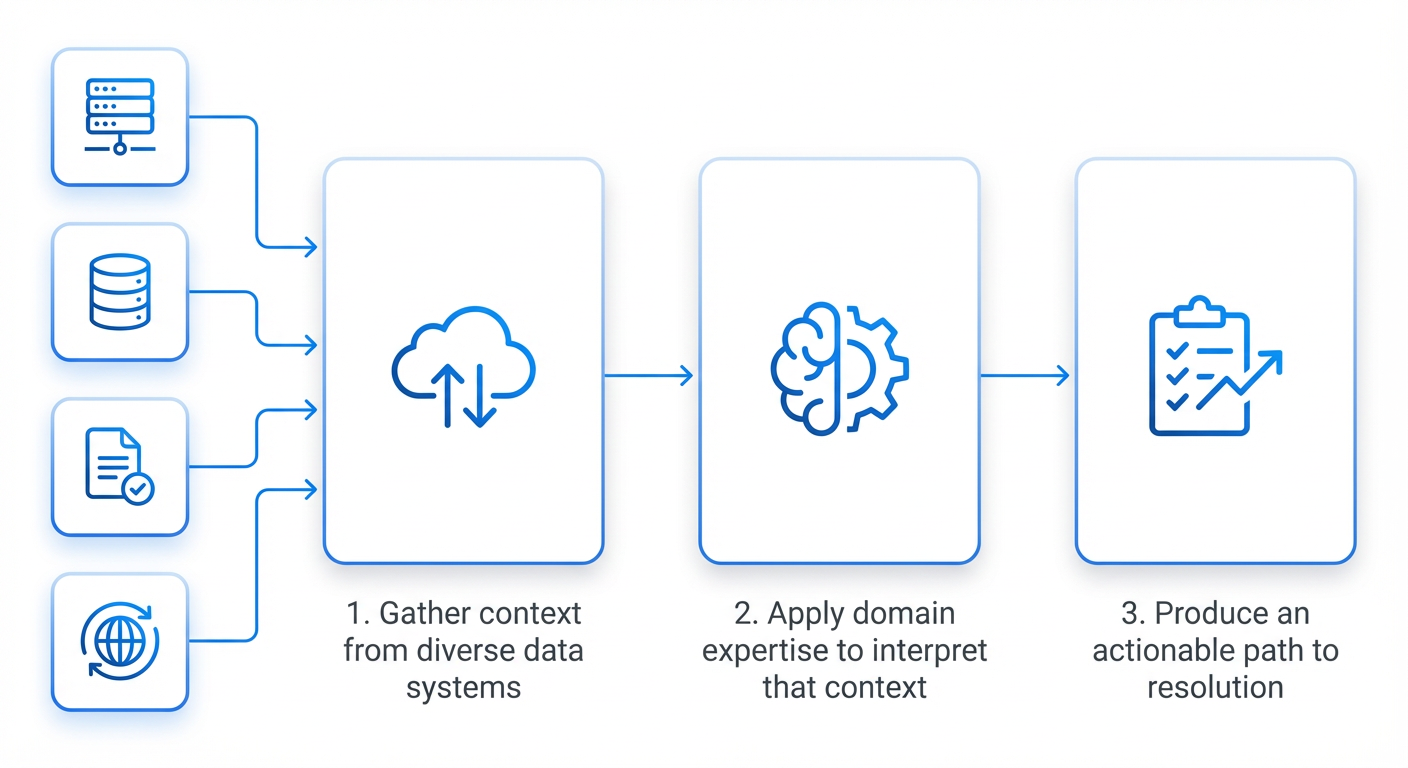
Meta's AI agent platform combines standardized tool interfaces with encoded domain expertise from senior engineers. These expertise are turned into reusable, composable skills that agents can apply to both offensive and defensive tasks. For example, on the offensive side, an agent might analyze code to find inefficient algorithms, then automatically create a pull request for review. On the defensive side, when a regression is detected, the agent diagnoses the root cause and proposes a fix—all without human intervention. This compression is staggering: what used to take a senior engineer about ten hours of investigation now takes the AI roughly thirty minutes. As these agents operate across the fleet, they handle thousands of regressions weekly and enable the efficiency program to scale megawatt delivery across more product areas without adding headcount.
What is the difference between offense and defense in capacity efficiency?
In the Capacity Efficiency Program, offense refers to proactive code changes that make existing systems more efficient—like refining a data query to use less CPU. These changes are sought out and deployed before any performance issue arises. Defense, on the other hand, involves monitoring production systems for unexpected regressions (performance drops) and quickly fixing them. A 0.1% regression across Meta's scale can cause significant extra power consumption, so defense is critical. Both approaches are essential: offense prevents waste, while defense catches any inefficiencies that slip through. AI agents now accelerate both sides, but the distinction remains important—offense is about finding new opportunities, while defense is about stopping losses. Together, they form a holistic efficiency strategy that has already saved hundreds of megawatts.
How does FBDetect help in regression detection?
FBDetect is Meta's in-house regression detection tool. It monitors production resource usage and flags any drop in performance, then automatically traces the issue back to a specific pull request. While FBDetect catches thousands of regressions each week, the bottleneck was that engineers had to manually investigate each one to understand the root cause and craft a fix. The AI agent platform integrates with FBDetect to automate this entire pipeline. When FBDetect flags a regression, an AI agent takes over—diagnosing the problem, finding the most likely cause, and even generating a code change to mitigate it. This cuts the resolution time from hours to minutes, meaning fewer megawatts are wasted compounding across the fleet. For more on how the platform compresses time, see Question 6.
What impact has the AI agent platform had on power savings?
The unified AI agents have recovered hundreds of megawatts (MW) of power across Meta's data centers. To put that in perspective, that's enough electricity to power hundreds of thousands of American homes for a year. These savings come from two streams: offensive optimizations (preventing waste) and defensive mitigations (stopping regression losses quickly). Before automation, many efficiency opportunities were simply missed because human engineers couldn't investigate every case. With AI handling the long tail, the team can scale its impact without growing headcount. The platform has also compressed the time from idea to deployed fix dramatically—automated pull requests mean that a single engineer can oversee many more fixes per week. This multiplier effect is central to Meta's ability to keep delivering efficiency gains at hyperscale.
How does the platform compress manual investigation time?
Before AI agents, a senior efficiency engineer investigating a performance regression would spend about 10 hours manually sifting through logs, profiling code, and running experiments. Now the same investigation takes the AI agent roughly 30 minutes. This compression is achieved because the agents embody years of domain expertise—they know exactly what to check, which metrics to analyze, and how to pinpoint the root cause. The process is fully automated from the moment a regression is detected (e.g., by FBDetect) to the moment a ready-to-review pull request is generated. While the final code change still requires human approval, the heavy lifting is done by AI. This speed means that thousands of regressions can be addressed weekly, preventing wasted power from compounding. It also frees engineers to work on new efficiency opportunities rather than getting bogged down in manual debugging.
What is the long-term goal of Meta's efficiency program?
Meta's vision is to create a self-sustaining efficiency engine where AI continuously finds and fixes performance issues with minimal human intervention. The program aims to handle the long tail of both offensive opportunities and defensive regressions that would otherwise be left unaddressed due to limited engineering bandwidth. By expanding the AI agent platform to more product areas each half, Meta expects to keep growing megawatt delivery without proportionally scaling the team. The ultimate outcome: engineers spend less time on routine operations and more on innovation, while the infrastructure becomes increasingly efficient over time. The platform is already the backbone of the Capacity Efficiency program, and its capabilities are being refined to make decisions even more autonomously. In short, Meta is moving toward a future where hyperscale efficiency is driven by AI, not human effort.