Introduction
We've all been there: you're out and about, and your phone or tablet is gasping for power. A USB port is nearby, but you realize you forgot your charging cable. Frustrating, right? I used to face this problem constantly until I discovered a simple, affordable solution: a tiny USB-C keychain cable. This little gadget costs under $8 and has saved me countless times—not just for charging my phone, but for powering earbuds, portable fans, and more. In this guide, I'll show you exactly how to integrate this lifesaver into your daily carry, step by step.
What You Need
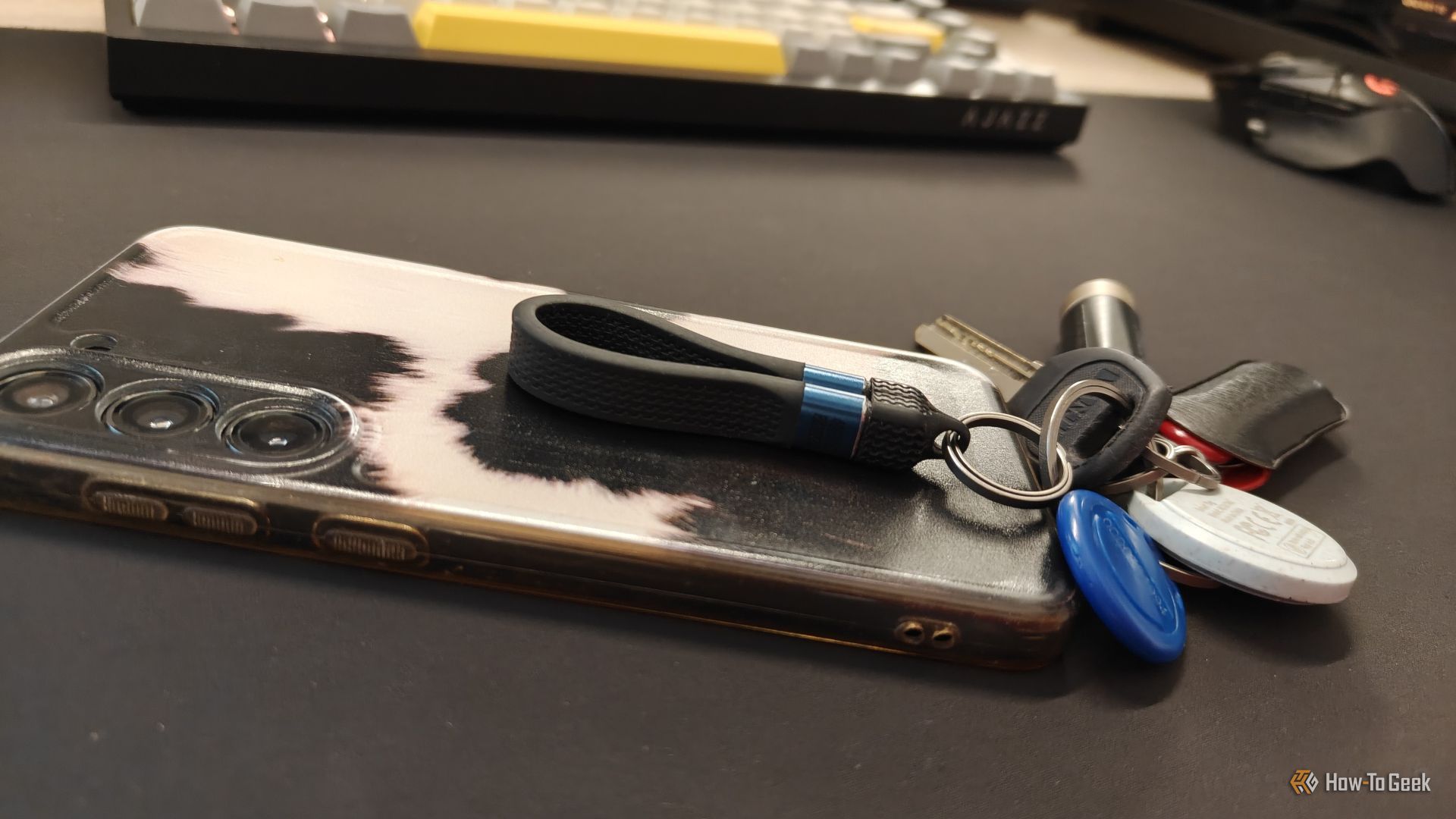
- A USB-C keychain cable – Look for one that's short (6-12 inches), durable, and has a keyring attachment. Many are available online or in electronics stores for $5–$10.
- A keyring or carabiner – If your cable doesn't come with one, you'll need a small ring to attach it to your keys, bag, or belt loop.
- Your everyday carry items – Keys, backpack, purse, or any item you never leave home without.
- Optional: A small USB wall adapter – For times when you need to charge from an outlet instead of a laptop or public USB port.
Step-by-Step Guide
Step 1: Select the Right Cable for Your Devices
Before you commit, make sure the cable you pick is compatible with your devices. The original text mentions a USB-C cable, which works with most modern smartphones, tablets, laptops, and accessories. If you use an older device with micro-USB or Lightning, choose a multi-purpose cable that has interchangeable tips. Check the cable's build quality—a braided nylon exterior resists tangles and wear better than cheap plastic.
Step 2: Attach the Cable to Your Keychain
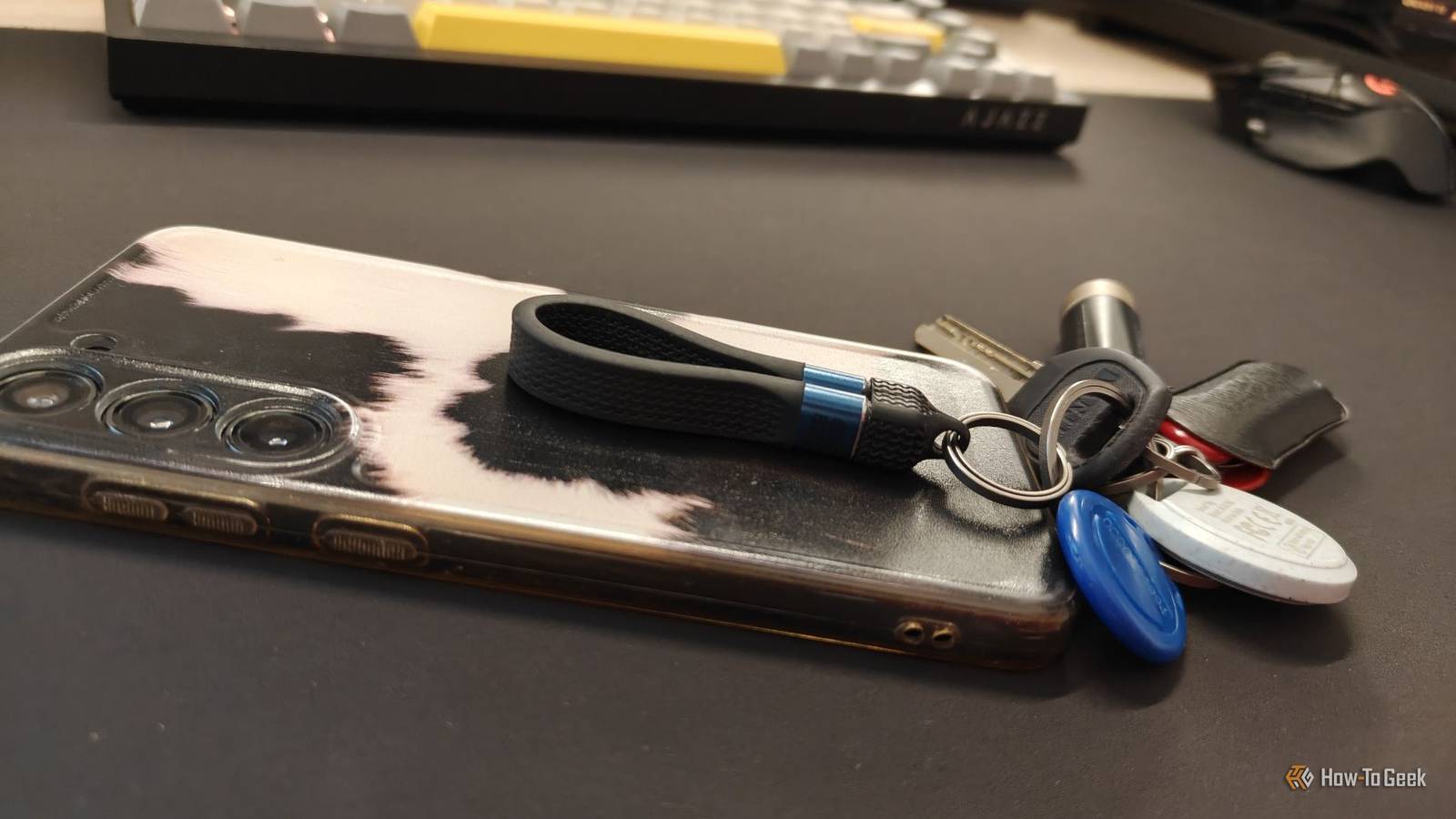
Most keychain cables come with a small loop or ring. If yours doesn't, thread a split ring through the hole at the end of the cable. Then attach it to your main keyring or a carabiner. Make sure the connection is secure so the cable doesn't fall off. I like to loop it through twice for extra safety. Now, whenever you grab your keys, the cable comes along automatically.
Step 3: Keep It Accessible on Your Bag or Belt
If you don't carry keys, you can attach the cable to a backpack zipper pull, a purse strap, or a belt loop using a carabiner. The goal is to make it as easy to reach as your pocket. I clip mine to the outside of my work bag so I can grab it without digging. This way, you'll never leave home without it—even if you forget your phone charger.
Step 4: Use It for More Than Just Phones
The beauty of a keychain cable is its versatility. Sure, you can charge your phone from a laptop or portable battery, but you can also power wireless earbuds, Bluetooth speakers, handheld fans, or GPS devices. Keep a small power bank in your bag as a backup, and you have an emergency charging kit. Many cafes, airports, and libraries have USB ports—your cable turns any spot into a charging station.
Step 5: Maintain and Store Properly
To make your cable last, avoid yanking it out by the wire. Instead, grip the connector head. After use, wrap the cable loosely around your keyring or use a small Velcro strap to keep it tidy. Check periodically for frayed ends or bent connectors. Because it's always on your keys, it will get some wear—but a quality cable should last for months or years.
Tips for Maximum Use
- Pair with a tiny wall adapter – Keep a compact USB wall plug in your wallet or bag. Then you can charge from any outlet, not just USB ports.
- Use a multi-connector cable – If you or your friends use different devices, get a cable with a built-in adapter (like USB-C to micro-USB or Lightning). That one cable covers everyone.
- Label your cable – Use a small piece of colored tape or a permanent marker to make your cable stand out. You'll recognize it instantly in a shared space, and it won't get mixed up with others.
- Charge while you move – The short length is perfect for using with a power bank in your pocket or clutch. You can walk, shop, or commute while charging without a long cable dangling.
- Be mindful of public USB ports – Some public charging stations may be risky for data theft. Use a USB data blocker (also called a “USB condom”) if you plug into unknown ports. The keychain cable itself doesn't protect against juice jacking, but a blocker is tiny and can hang on your keychain too.
Final thought: This $8 gadget has become a permanent part of my EDC (everyday carry). It’s saved me from dead batteries at airports, cafes, and even during outdoor hikes. Follow these steps, and you’ll always have a charging solution at your fingertips.