Introduction
In recent weeks, the U.S. Congress has accelerated work on the GUARD Act, a piece of legislation aimed at protecting minors from harmful online interactions, particularly with artificial intelligence. The bill is scheduled for a key vote this week, and its supporters point to disturbing incidents involving AI companions and vulnerable young users as justification. However, a closer look at the bill's language reveals that its reach extends far beyond obviously dangerous chatbots. Instead, it could impose age verification requirements on a wide range of common digital services, potentially blocking teenagers from using search engines, homework helpers, and customer service chats. While the concerns about AI safety are genuine, the GUARD Act risks creating a blunt instrument that undermines privacy, limits parental discretion, and restricts everyday internet use for everyone.
The GUARD Act's Sweeping Scope
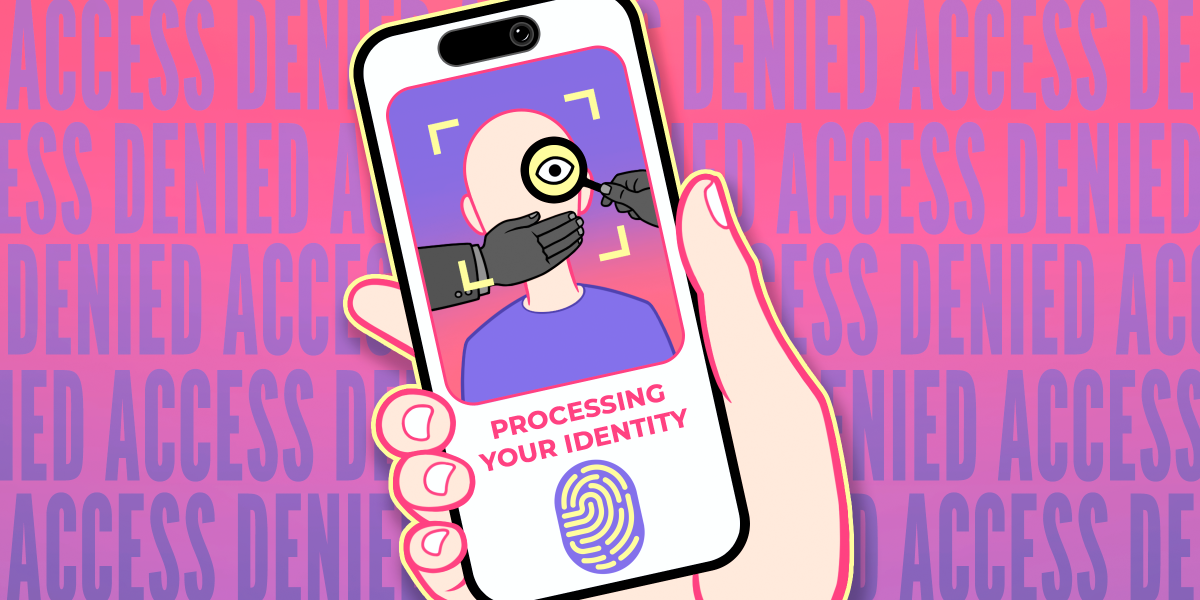
The bill's core mechanism is age verification: companies would need to confirm the age of every user and then block anyone under 18 from interacting with any system that falls under its definitions. This goes far beyond a narrow category of risky chatbots. As written, the GUARD Act would require services to implement privacy-invasive age-verification systems for all users, not just minors. Adults would have to submit personal data or identity documents just to access basic online tools, creating a chilling effect on free expression and anonymity.
Defining 'AI Chatbot' Too Broadly
The trouble begins with how the bill defines an AI chatbot. According to the text, it covers any system that generates responses that are not fully pre-written by the developer or operator. This definition is so broad that it includes the fundamental functionality of virtually all AI-powered tools. Search engines that incorporate AI-generated summaries, grammar checkers, code assistants, and even simple autocomplete features could be swept in. The result is that a high school student could be barred from asking a homework helper about algebra problems or using a search engine to find reliable information for a research project.
The Problem with 'AI Companion' Definitions
The bill also prohibits minors from using any 'AI companion,' defined as a chatbot that produces human-like responses and is designed to 'encourage or facilitate' interpersonal or emotional interaction. While this may sound targeted at simulated friends or therapy bots, the language is dangerously vague. Modern chatbots are built to be conversational and helpful. A customer service bot that says 'I'm sorry you're having this problem' is engaging in empathetic interaction. A general-purpose assistant that asks follow-up questions could be seen as facilitating interpersonal communication. Even a simple math tutor that uses encouraging phrases like 'good question' might trigger the ban. Faced with steep penalties and unclear boundaries, companies are likely to block minors entirely or strip their tools down to bare minimums, making them less useful for everyone.
Unintended Consequences for Minors and Adults
If the GUARD Act becomes law, everyday activities for teenagers could become impossible. A teenager trying to return a product might be kicked out of a standard customer-service chat. A student seeking help with homework could be denied access to a popular AI tutor. Even browsing educational content that uses AI recommendation engines could be restricted. The bill would also undermine parental guidance, as parents would no longer have the ability to decide which tools are appropriate for their own children. Instead, the government would impose a one-size-fits-all block.

Moreover, the privacy impact on adults is severe. To comply, companies would need to collect and store sensitive personal information to verify ages. This creates a massive new data trove that could be hacked, misused, or sold. Adults who value their privacy would be forced to sacrifice it just to use basic online services. The bill effectively treats every internet user as a potential minor until proven otherwise, shifting the burden of proof onto individuals.
Targeted Solutions vs. Sweeping Bans
The concerns behind the GUARD Act are legitimate. There have been troubling cases where AI systems engaged in harmful interactions with young users, including instances involving self-harm or exploitation. These risks deserve serious attention. But the appropriate response is targeted solutions: better safeguards, more effective enforcement against bad actors, stronger content moderation, and industry standards for age-appropriate design. Sweeping age-gating mandates that require verification for all users and block minors from entire categories of tools are not the answer. They are a blunt instrument that harms privacy, stifles innovation, and limits young people's access to beneficial technology.
Conclusion
The GUARD Act is framed as a response to the worst-case scenarios of AI companion misuse, but its actual text reaches far further. By using overly broad definitions and requiring age verification for every user, it would block minors from everyday online tools and force adults to surrender their privacy. Lawmakers should take a more measured approach that targets harmful AI interactions without crippling normal internet use. The goal of protecting minors is important, but it should not come at the cost of turning the internet into a heavily surveilled and restricted space for all. As the key vote approaches, constituents are urged to tell Congress to oppose the GUARD Act and demand a more precise, privacy-respecting solution.