Breaking News — Google has officially explained why Android AICore, the on-device engine for running generative AI models, occasionally consumes significantly more storage space than expected. In a detailed clarification, the company attributes the spikes to necessary model updates, caching mechanisms, and the inherent size of its Gemini Nano models.
“Android AICore requires a baseline storage footprint for the core model, but users may see temporary increases when new model versions are downloaded or when cached data builds up from frequent AI tasks,” said a Google spokesperson. “These spikes are normal and typically self-resolve after a device restart or when the cache is cleared by the system.”
Background
Android AICore is a system-level component introduced with Android 14, designed to run generative AI features directly on a smartphone or tablet’s hardware. It powers Gemini Nano, Google’s most efficient AI model for on-device tasks, enabling real-time translation, smart reply suggestions, and image generation without cloud reliance.
Gemini Nano models are inherently large—ranging from 1.5 GB to over 4 GB—because they contain billions of parameters. Google notes that these models must be stored locally to ensure low-latency and offline functionality, which naturally consumes fixed storage.
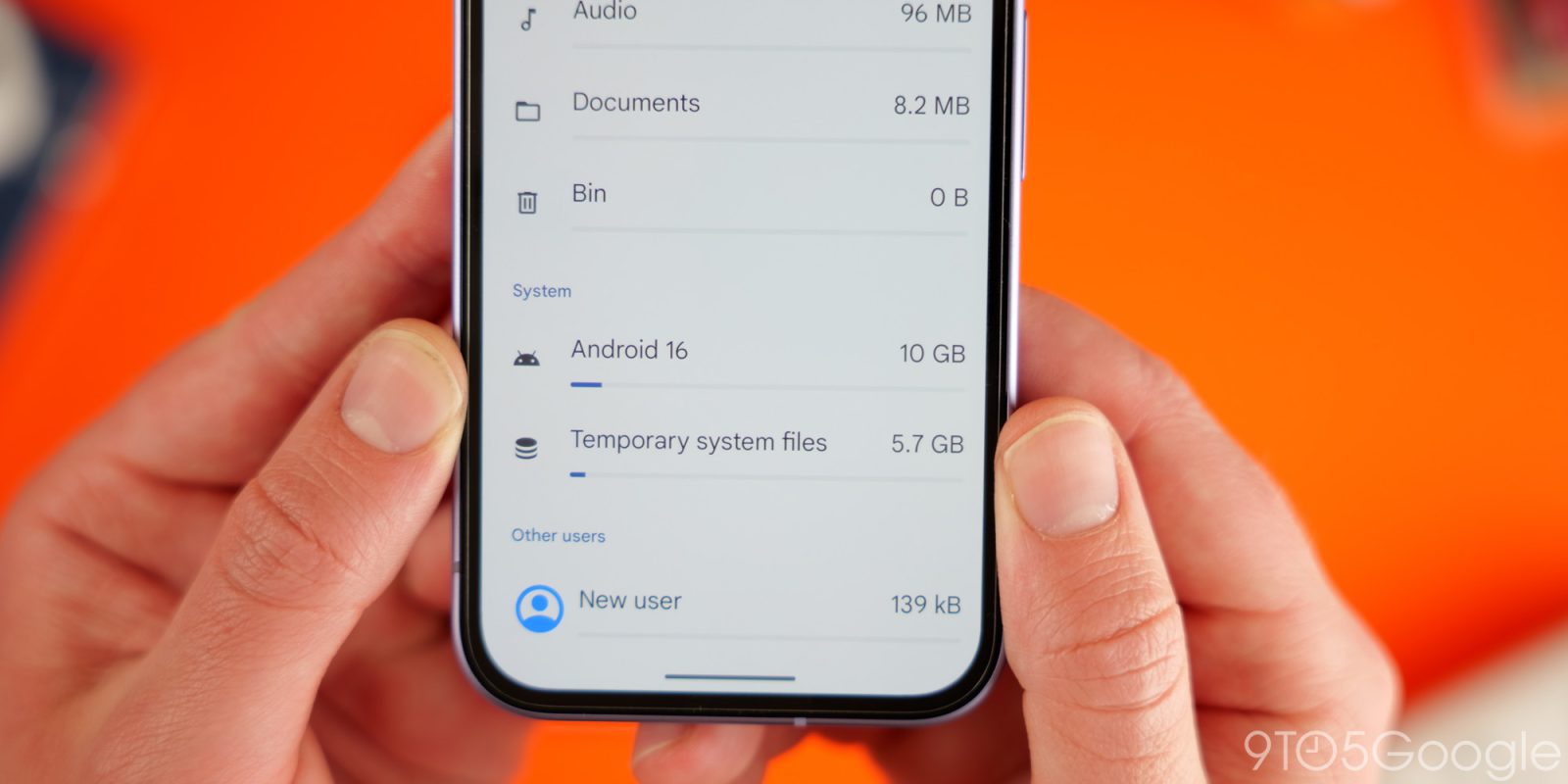
However, users began reporting that AICore storage usage sometimes jumped by several gigabytes for no clear reason. Complaints surfaced on forums and social media, with some users seeing the component occupy up to 10 GB temporarily. Google’s new explanation aims to demystify these fluctuations.
Key Factors Behind Storage Spikes
- Model updates: When Google issues a new version of Gemini Nano, the device downloads the full model while retaining the old one until installation completes. This dual-storage period can double the footprint.
- Cache accumulation: Each generative AI task generates temporary files, such as inference results and metadata. Over active periods, this cache can grow.
- Optional module downloads: Some features, like advanced image editing or real-time language translation, require extra model components that download on demand.
“The system automatically manages these files, prioritizing user experience over minimal storage use,” the spokesperson added. “Once an update is finalized, the old model is deleted. Similarly, caches are pruned during idle times or after a reboot.”

What This Means
For the average Android user, occasional storage spikes from AICore are normal and should not be cause for alarm. Google assures that the temporary increase does not indicate a bug or malware, and the system will eventually reclaim the space. Users who notice persistent high usage can restart their device or go to Settings > Storage to manually clear the AICore cache (though this may reset some AI customizations).
Industry analysts point out that as on-device AI becomes more sophisticated, storage management will remain a challenge. “Google is being transparent about a real technical constraint,” said Dr. Maria Chen, a mobile AI researcher at TechInsights. “Users should expect generative AI models to be sizable, but they also need predictable behavior. This clarification helps set expectations.”
The revelation also underscores a broader trend: smartphone vendors must balance AI capabilities with storage budgets as models grow more powerful. For now, Google recommends keeping at least 10 GB of free storage on devices using AICore to avoid performance bottlenecks during model updates.
Note: This article is based on official statements from Google and expert analysis. For the original source, visit Google’s official Android developers blog (link in related coverage).