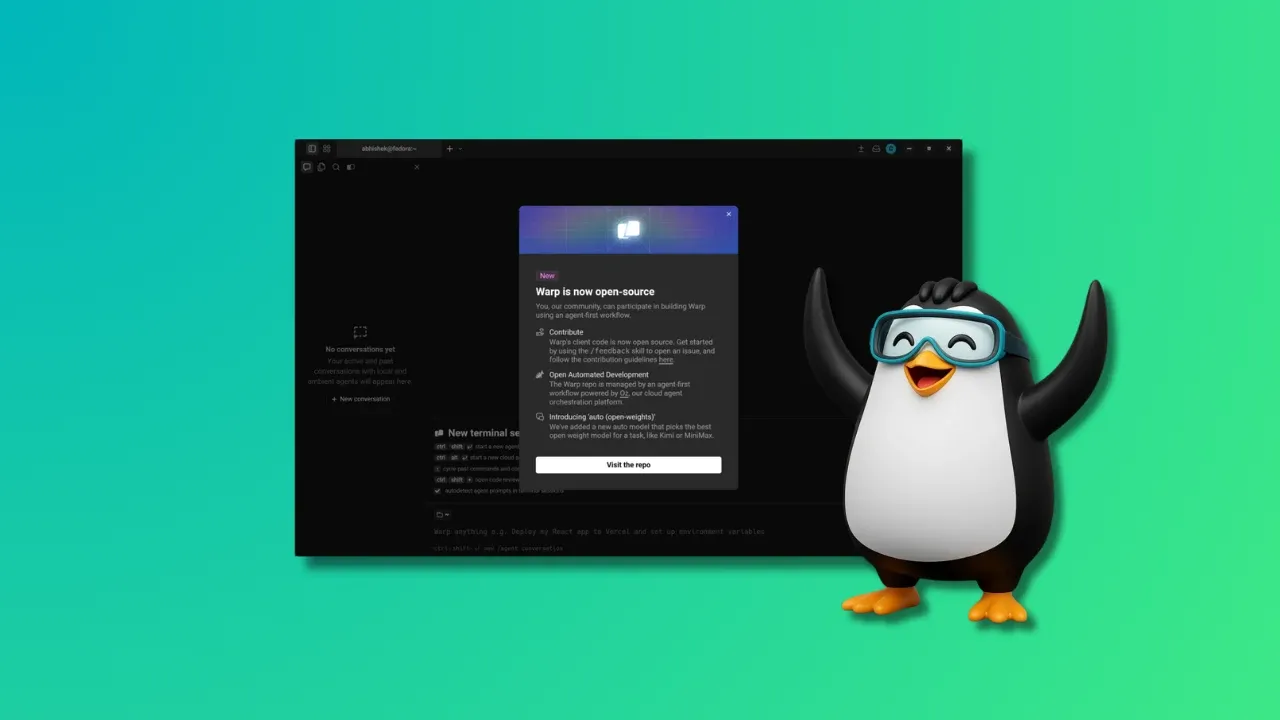
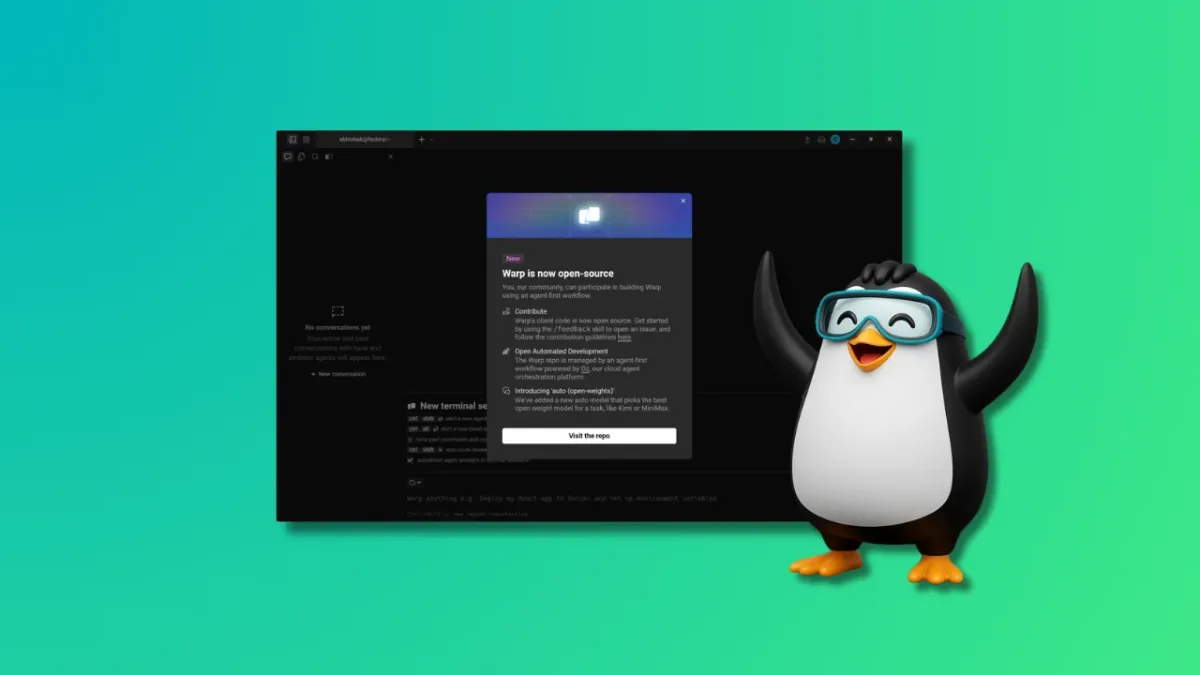
In a groundbreaking move, Warp, the modern terminal and agentic development environment built in Rust, has released its source code to the public. The codebase is now available on GitHub under a dual license—MIT for UI components and AGPLv3 for the rest. This shift not only invites community involvement but also redefines how contributions work, with AI agents handling the heavy lifting of implementation while humans focus on design and review. Below, we answer key questions about this announcement.
Why did Warp decide to open-source its terminal client?
Zach Lloyd, CEO of Warp, explained that the decision is fundamentally business-driven. Competing against well-funded closed-source rivals, opening the code allows the community to accelerate product development. The company believes that by providing resources for contributors to improve Warp, they can innovate faster and build a sustainable business. The move also aligns with their vision of using AI agents to speed up development, as the bottleneck now lies in human-led tasks like feature decisions and verification, not coding.
How is the contribution model different from traditional open source projects?
Unlike typical open source projects where human developers write code and submit pull requests, Warp's model reverses the roles. Human contributors are now expected to focus on high-level tasks: generating ideas, writing specifications, and reviewing AI-generated code. The actual implementation is handled by agents, particularly through Warp's Oz platform. This approach leverages AI to resolve the bottleneck of coding, allowing the community to concentrate on creative and strategic aspects. The company has established rules and verification processes to ensure the AI-generated code meets quality standards.
What is Oz, and how does it facilitate agentic contributions?
Oz is Warp’s cloud-based agent orchestration platform, announced earlier this year. It enables running multiple coding agents in parallel within the cloud, offering full visibility and control over their actions. For open source contributions, Oz is the recommended tool because it comes pre-configured with the right context and checks for Warp's workflow. While other coding agents like Claude Code or Codex are welcome, Oz ensures that AI-generated code aligns with Warp's standards, making it easier for contributors to get features right.
What is the licensing structure for Warp's open source code?
The codebase is split into two licensing tiers. The UI framework, which includes the warpui_core and warpui crates, is released under the permissive MIT license. The rest of the codebase, including core terminal functionality, is licensed under the AGPLv3, a strong copyleft license that requires derivative works to also be open source. This dual approach aims to attract broad contributions while protecting the core product from proprietary exploitation.
Which new open source AI models are being supported, and what is the auto routing feature?
With this announcement, Warp expands its support for open source models by adding Kimi, MiniMax, and Qwen to its lineup. Additionally, a new “auto (open)” routing option selects the best open model for a given task automatically, improving flexibility and performance. Users also gain a settings file for programmatic control and easier portability across devices. This move underscores Warp’s commitment to embracing the open source AI ecosystem alongside proprietary models like those from OpenAI.
What role does OpenAI play as the founding sponsor?
OpenAI is the founding sponsor of the Warp repository on GitHub. The agentic contribution workflows powered by GPT models are a core part of this initiative. However, Warp emphasizes that other coding agents are welcome, and contributors can choose any agent if they prefer. The sponsorship helps fund development and infrastructure, reinforcing the partnership between AI innovation and open source terminal development.