In a strategic shift that could bring beloved game series back to life, Embracer Group has announced plans to more actively license out its iconic intellectual properties—including Deus Ex, Saints Row, TimeSplitters, and Thief—to external development partners. This move comes on the heels of the company’s recent restructuring into multiple specialized entities. By forming a new IP & licensing business, Embracer aims to leverage its vast catalogue without relying solely on internal studios. The potential outcome? Fresh entries from talented teams outside the Embracer umbrella, breathing new energy into franchises that have long been dormant. Below, we explore the implications and key questions surrounding this development.
What exactly is Embracer Group’s new IP & licensing strategy?
Embracer Group is creating a dedicated IP & licensing business unit to manage and monetize its extensive portfolio of game franchises. Instead of keeping every series locked within its own studios, the company will actively seek partnerships with external developers and publishers. This licensing model allows third-party teams to create new games using Embracer’s classic IPs, while Embracer retains ownership and earns royalties. The approach mirrors what many media conglomerates do with film and TV properties—granting creative access to outsiders in exchange for a share of revenue. For gamers, this could mean more frequent releases and fresh takes on beloved titles, as external partners often bring unique perspectives and specialized expertise.
Which specific franchises are being considered for licensing?
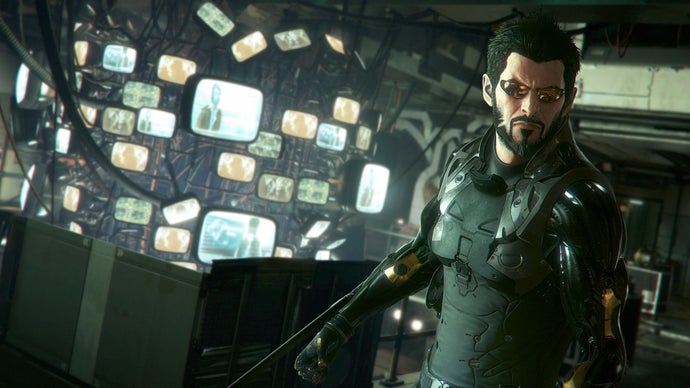
Embracer has explicitly mentioned four franchises that could be licensed out: Deus Ex, Saints Row, TimeSplitters, and Thief. These are all established series with dedicated fan bases, but each has faced uncertain futures in recent years. Deus Ex—a cyberpunk RPG—hasn’t seen a new mainline entry since 2016. Saints Row struggled with its 2022 reboot. TimeSplitters, a cult-classic first-person shooter, remains mostly dormant. Thief, the stealth series, last released a game in 2014. By opening these IPs to external partners, Embracer hopes to reignite interest and potentially deliver sequels, spin-offs, or remakes that internal resources alone might not support.
Why is Embracer taking this licensing approach now?
Several factors drive Embracer’s decision. First, the company recently split into multiple independent operating groups—a restructuring aimed at improving focus and efficiency. Within this new structure, a dedicated licensing business can more aggressively pursue partnerships without clashing with internal studio schedules. Second, many of Embracer’s classic IPs have high recognition but low recent activity; licensing them generates revenue without requiring massive internal investment. Third, the gaming industry is seeing a trend toward IP licensing (e.g., Dead by Daylight collaborations, Netflix games), and Embracer wants to capitalize on that momentum. Finally, by letting external studios take creative risks, Embracer can test the waters for reviving a franchise without bearing the full development cost or risk.
How could this affect the future of these game series?
If licensing deals materialize, fans could see new titles in the Deus Ex, Saints Row, TimeSplitters, and Thief series—but crafted by studios outside Embracer’s direct control. This could lead to more frequent releases, as external partners may have specialized teams or faster production cycles. It also opens the door for innovative gameplay mechanics or narrative directions that differ from previous entries. However, quality might vary: a partner’s vision may not always align with fan expectations. Historically, licensed games have been hit-or-miss. Yet, if Embracer picks experienced and passionate developers, the results could reinvigorate these franchises and attract new audiences, much like how Hitman was revitalized by IO Interactive after its split from Square Enix.
What does this mean for independent developers and smaller studios?
For external developers, Embracer’s licensing initiative presents a golden opportunity. Smaller studios that lack a blockbuster IP of their own can now work with globally recognized brands, potentially elevating their profile and financial stability. The deals could range from full game development to co-production or even consultancy. Embracer has stated it will “more actively” explore such partnerships, suggesting a proactive outreach to potential licensees. This could foster a healthy ecosystem where indie studios with specific expertise (e.g., immersive sims for Deus Ex, stealth for Thief) take on projects that fit their strengths. However, competition to secure these licenses will likely be intense, and Embracer will need to balance creative freedom with brand protection.
Are there any risks associated with licensing out iconic IPs?
Yes, several risks exist. The most obvious is loss of quality control: an external partner may produce a game that tarnishes the franchise’s reputation. Embracer must carefully vet potential licensees and include contractual safeguards, such as approval rights over key design decisions. Another risk is brand dilution if too many low-effort spin-offs flood the market. Additionally, licensing could create friction with internal studios that feel their creative territories are being encroached upon. Financially, Embracer might earn less from royalties than from developing games in-house, though the reduced development risk compensates. Finally, fans may react negatively if they perceive the move as a cash grab, especially if previous entries (like the Saints Row reboot) struggled. Strategic execution will be crucial.
When might we see new games from these licensed franchises?
Embracer has not provided a timeline, and licensing negotiations can take months or years. The company’s announcement is more of a strategic direction than an immediate release plan. Potential partners would need to secure funding, assemble teams, and go through pre-production before any public announcements. Given that Embracer’s restructuring is still fresh, realistic time frames likely range from 2026 onward. However, some projects could move faster if existing relationships exist: for instance, a studio that has previously worked with Embracer on other titles might quickly propose a concept for TimeSplitters or Thief. Fans should watch for job listings, trademark filings, or teasers as signs of active development.