Australia's home battery revolution continues to accelerate, with installations now surpassing the 400,000 mark. This remarkable achievement comes despite changes to solar rebate policies and highlights the growing role of residential energy storage in the nation's renewable energy transition. The total capacity of these household batteries now rivals that of all grid-scale batteries installed over the past year, underscoring a significant shift towards decentralized power systems.
A Remarkable Milestone: 400,000 and Counting
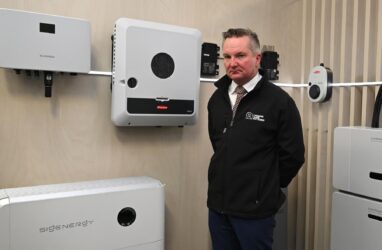
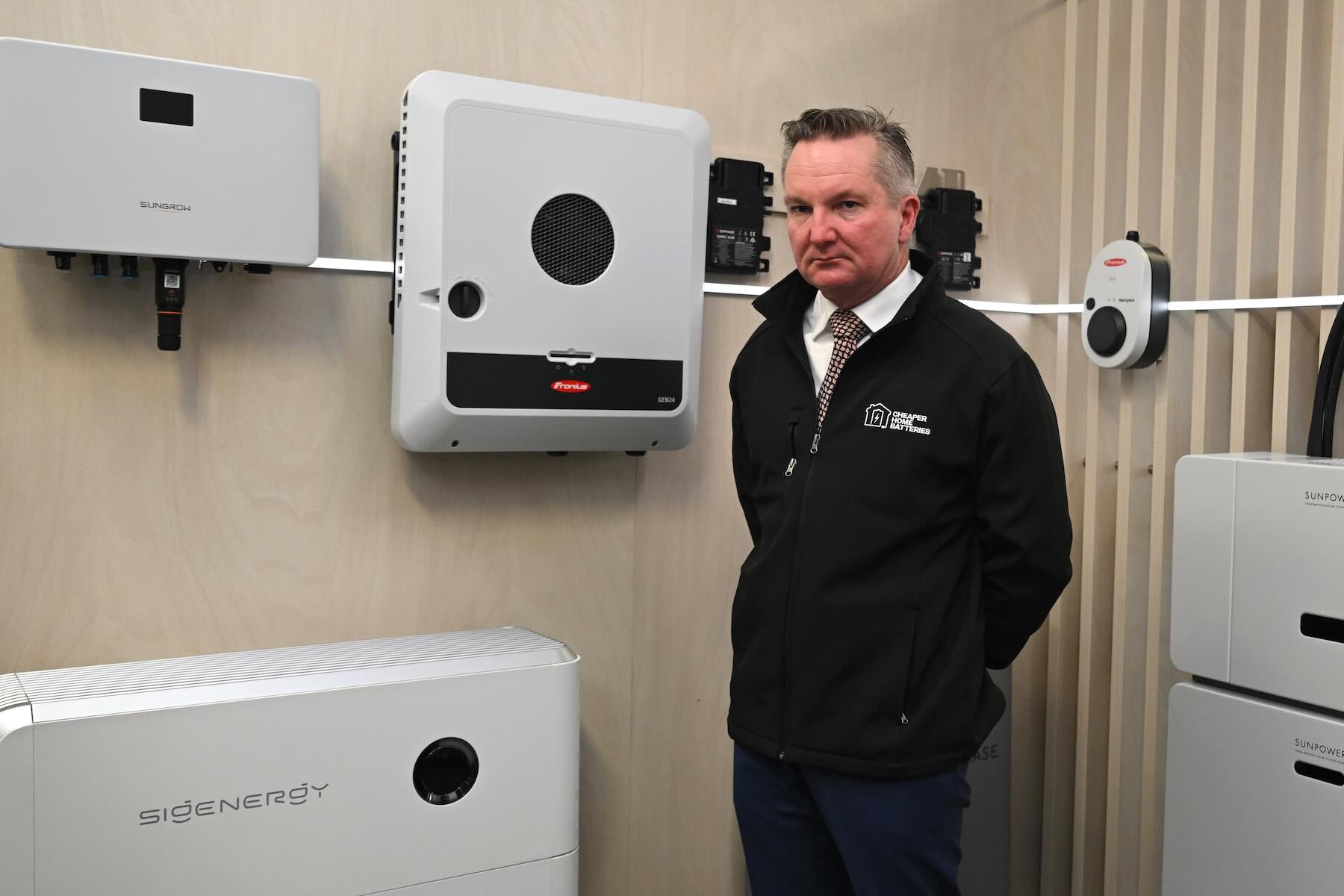
Federal Minister for Climate Change and Energy, Chris Bowen, hailed the milestone as "remarkable," noting that home battery uptake has continued to surge even as rebate structures have evolved. The combined storage capacity of these 400,000 installations now equals or exceeds the capacity added by large-scale grid batteries in the same period. This parity marks a turning point in how energy storage is distributed across the network.
Surge Despite Policy Adjustments
Navigating Shifting Incentives
Recent modifications to solar feed-in tariffs and battery rebate programs in states like New South Wales, Victoria, and South Australia were expected to slow adoption. However, the data shows a contrary trend: installations have accelerated. Analysts attribute this resilience to:
- Falling battery prices – System costs have dropped by more than 40% over the past three years.
- Enhanced energy autonomy – Households seek protection from rising electricity prices and grid instability.
- Environmental motivation – Consumers increasingly prioritize carbon footprint reduction.
Home Batteries vs. Grid-Scale Storage
The surprising statistic is that the aggregated capacity of 400,000 home batteries now matches the output of an entire year’s-worth of utility-scale battery installations in Australia. While each home battery provides modest storage—typically between 5 kWh and 13.5 kWh—their combined effect is formidable. This distributed capacity offers unique advantages:
- Reduced transmission losses – Energy is stored close to where it is consumed.
- Grid resilience – During peak demand, home batteries can discharge to relieve pressure on the network.
- Virtual power plants – Aggregated home batteries can be coordinated to behave like a large power station.
Drivers Behind the Home Battery Boom
Lower Bills and Faster Payback
Typical payback periods for home batteries have fallen to between 5 and 8 years. With solar panels, households can store excess daytime generation and use it in the evening, avoiding expensive peak tariffs. Many homeowners report saving $500–$1,000 annually on electricity bills.
Energy Security in a Changing Climate
Extreme weather events—bushfires, storms, and heatwaves—have caused grid outages across Australia. Batteries provide backup power critical for medical equipment, refrigeration, and home operations. This reliability factor is driving adoption in regional and urban areas alike.
Impact on the National Energy Grid
The Australian Energy Market Operator (AEMO) has recognized the growing role of distributed storage. In its latest Integrated System Plan, AEMO projects that home batteries could provide 5-10 GW of flexible capacity by 2040. Already, programs like the Virtual Power Plant (VPP) initiatives in South Australia and Victoria are aggregating home batteries to stabilize frequency and voltage on the grid.
Grid-scale battery farms, while larger per unit, require significant land and transmission infrastructure. Home batteries, in contrast, are installed on existing rooftops and garages, making them a more socially accepted and rapidly scalable solution. As Minister Bowen stated: “This is not just a statistic; it’s a demonstration that Australians are leading the charge in renewable energy adoption.”
Future Outlook: What Lies Ahead
The next milestone—500,000 installations—appears inevitable within the next 12–18 months, given the current growth rate of over 40,000 per quarter. Factors that could further accelerate uptake include:
- New rebate and loan programs (e.g., the federal Home Energy Upgrades Fund)
- Integration with electric vehicles (V2G) – allowing car batteries to serve as home storage
- Smart tariffs that reward home battery discharge during evening peaks
Challenges remain: ensuring fire-safe lithium batteries, managing end-of-life recycling, and equitable access for low-income households. Nevertheless, the surge past 400,000 shows that home batteries are no longer a niche technology but a mainstream component of Australia’s energy transition.
For more insights, explore our related articles on grid impact and adoption drivers.