Introduction
Recent findings from the Apple Hearing Study, conducted in partnership with the University of Michigan, underscore the critical role that AirPods hearing health features can play in preserving your auditory well-being. The study highlights how everyday use of AirPods, combined with built-in software tools, can help you monitor noise exposure, adjust sound profiles, and ultimately protect your hearing. This step-by-step guide will walk you through exactly how to make the most of these features – from initial setup to long-term monitoring – so you can benefit from the same insights that drove the study’s conclusions.
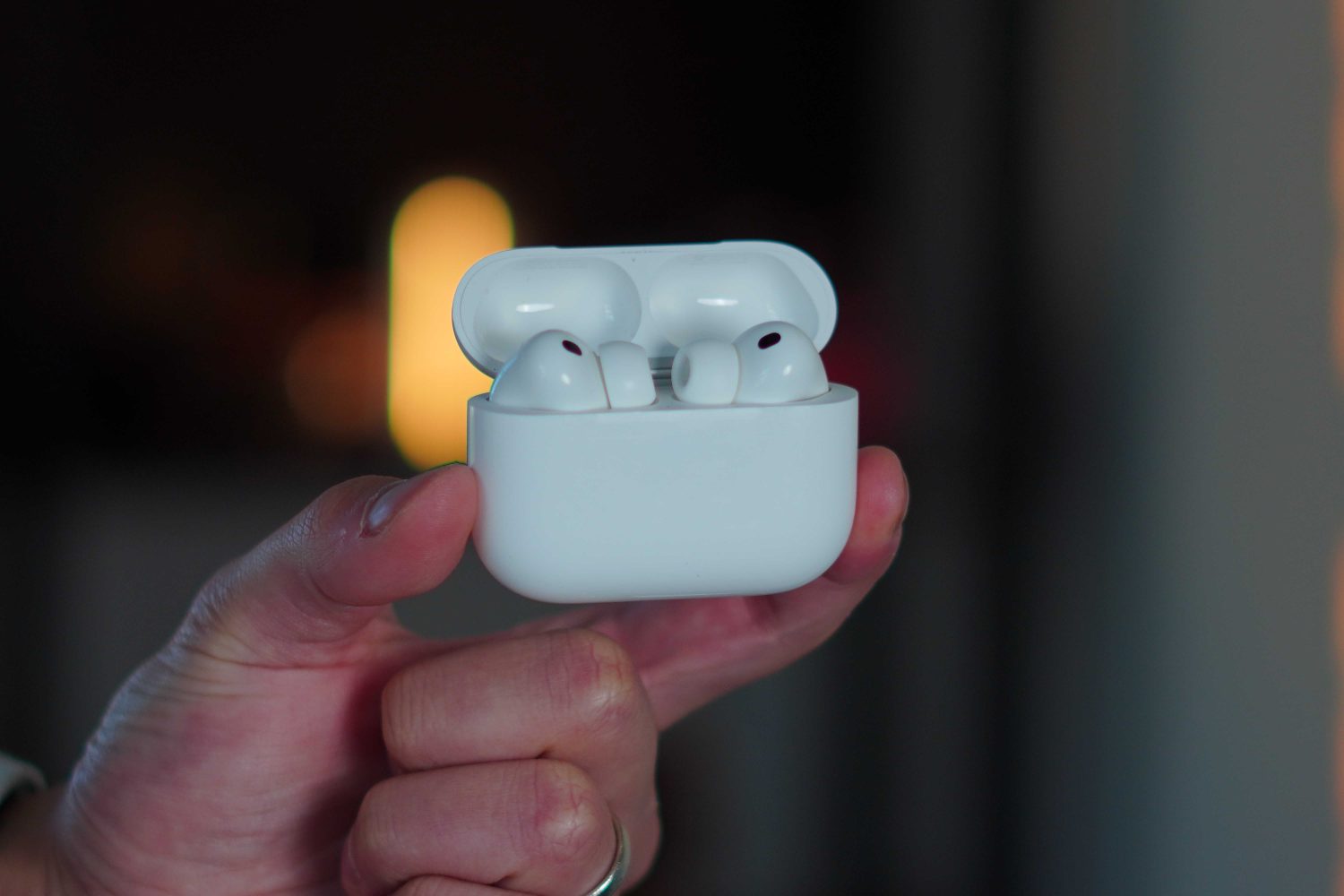
What You Need
- A compatible pair of AirPods (AirPods Pro, AirPods Max, or AirPods 2nd/3rd generation)
- An iPhone or iPad running iOS 14 or later (or iPadOS 14 or later)
- The Health app pre-installed on your device
- Bluetooth enabled and AirPods paired to your device
- A quiet environment for initial calibration (optional but recommended)
Step-by-Step Guide
Step 1: Understand the Apple Hearing Study Findings
Before diving into the settings, it helps to know what the study revealed. The Apple Hearing Study collected data from thousands of participants and found that nearly one in three people are exposed to excessive noise levels on a regular basis. Key takeaways include:
- Headphone use is a leading contributor to elevated noise exposure, especially at high volumes.
- Environmental noise (e.g., city traffic, concerts) also plays a significant role.
- Apple’s hearing health features, such as Headphone Accommodations and Noise App notifications, can help users reduce risk without sacrificing audio quality.
Understanding these facts motivates you to actively use the features described in the steps below.
Step 2: Set Up Your AirPods and Enable Hearing Health Features
To access the hearing-related settings, follow these steps:
- Open the Settings app on your iPhone or iPad.
- Tap Bluetooth and find your AirPods in the list. Tap the i icon next to them.
- Scroll down to the Hearing Health section (or Accessibility on older iOS versions).
- Toggle on Headphone Notifications – this will alert you if your listening volume exceeds the World Health Organization’s recommended limits over time.
- Enable Reduce Loud Sounds – this automatically lowers the maximum volume of music, calls, and videos to a safer level. You can set a decibel limit: 75 dB is a good starting point.
Step 3: Customize Headphone Accommodations for Your Hearing Profile
Headphone Accommodations fine-tune audio frequencies to match your hearing sensitivity. The study found that personalized adjustments can make listening clearer without raising volume.
- Go to Settings > Accessibility > Audio/Visual > Headphone Accommodations.
- Toggle on Headphone Accommodations.
- Choose a preset: Balanced Tone (neutral), Vocal Range (boost speech clarity), or Brightness (enhance high frequencies). You can also use a Custom Audio Setup that guides you through a hearing test using your AirPods.
- Tap Play Sample to test how different settings sound. Adjust until you find the most comfortable and clear profile.
- Optionally, enable Phone and Media options to apply the accommodations to all audio.
Step 4: Monitor Your Noise Exposure in the Health App
The Health app collects data from your AirPods and iPhone microphone to estimate your daily noise exposure. This feature mirrors the study’s methodology.
- Open the Health app and tap the Browse tab.
- Select Hearing, then tap Environmental Sound Levels.
- Review the Headphone Audio Levels graph – it shows your average exposure over days, weeks, or months.
- Tap Show All Charts for a detailed breakdown of when you reached high noise levels.
- Enable Hearing Notifications if you haven’t already: go to Settings > Health > Health Checklist and turn on Hearing Notifications to get alerts when your exposure is too high.
Step 5: Use Noise Cancellation and Transparency Mode Wisely
The study emphasizes that Active Noise Cancellation (ANC) can reduce the temptation to crank up volume in noisy environments, while Transparency Mode keeps you aware of surroundings (e.g., traffic) without overwhelming your ears.

- On AirPods Pro or Max, press and hold the force sensor to switch between ANC and Transparency.
- Consider using Adaptive Transparency (available on AirPods Pro 2nd generation) which automatically reduces loud environmental noises while letting softer sounds through.
- During calls or podcasts, enable Conversation Boost under Accessibility settings to amplify voices without increasing overall volume.
Step 6: Regularly Check Your Hearing Health Data and Adjust
Like the study’s long-term monitoring, you should review your hearing metrics monthly.
- Open Health app > Hearing > Headphone Audio Levels.
- Compare your 7-day and 30-day average. If it’s consistently above 80 dB, consider lowering your volume limit (Settings > Hearing > Reduce Loud Sounds).
- Look at Environmental Sound Levels – if you notice high exposure from external sources, use ANC when in noisy places.
- Re-run the Custom Audio Setup every few months in Headphone Accommodations to ensure your profile still fits your hearing.
Tips for Maximizing Hearing Health with AirPods
- Keep your firmware updated – Apple occasionally adds new hearing features through AirPods firmware updates. Check for updates in Settings > General > About > AirPods.
- Don’t ignore the notifications – If you get a headphone volume warning, it means you exceeded the safe limit. Lower the volume for a few minutes to give your ears a break.
- Use the “Listen” feature in Control Center to hear sounds from your iPhone’s microphone through your AirPods – this can help you hear conversations or announcements without turning up volume.
- Consider using ear tips that fit well – a proper seal improves noise cancellation and reduces the need to increase volume.
- Take listening breaks every hour if you use AirPods for extended periods – the ears need rest to recover from continuous stimulation.
By following these steps and tips, you’ll harness the same hearing health insights that the Apple Hearing Study revealed, protecting your ears while still enjoying all the audio experiences AirPods offer.