Introduction
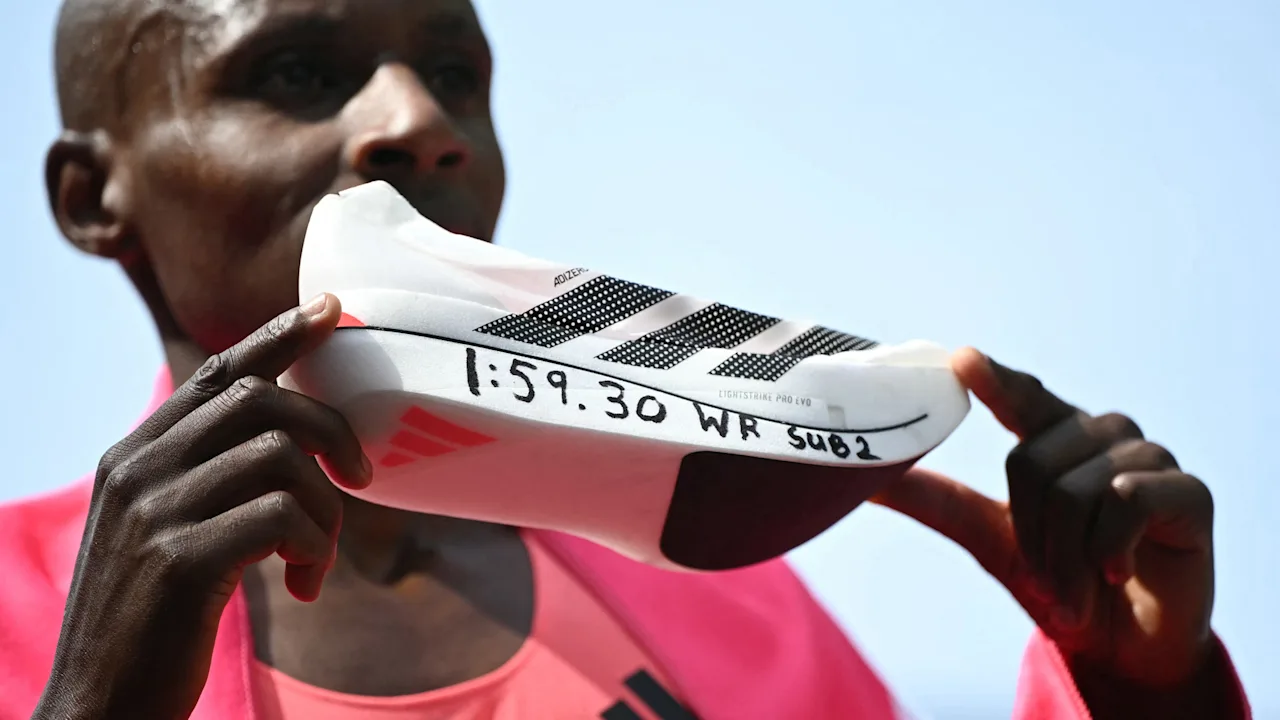
On April 26, 2026, Kenyan runner Sabastian Sawe shattered the two‑hour barrier in the London Marathon, crossing the line in 1:59:30. The shoe on his feet, the Adidas Adizero Adios Pro Evo 3, weighed just 97 grams—lighter than a bar of soap. Moments later, an Adidas attendant collected the sneakers, noted the record time on them, and sent them to the company’s archives in Herzogenaurach, Germany. This wasn’t just a historic race; it was the culmination of three years of relentless innovation. In this guide, we’ll walk you through the step‑by‑step process Adidas used to create the world’s fastest supershoe—from initial philosophy to final validation on the world stage.
What You Need
- Advanced R&D facility with materials science capabilities
- Elite athlete partnerships (e.g., Sabastian Sawe, Yomif Kejelcha, Tigist Assefa)
- Lightweight foam (proprietary ultra‑light compound)
- Carbon‑fiber plate for energy return
- Ultra‑thin outsole material
- 3D modeling and simulation software
- Prototyping and testing equipment
- Marketing and limited‑drop strategy for commercial rollout
Step‑by‑Step Guide
Step 1: Embrace a ‘Less Is More’ Philosophy
Adidas’s first critical insight came from evaluating what truly makes a running shoe fast. They looked to Formula 1 racing, where every gram counts. The team decided to strip away all unnecessary weight, targeting a sub‑100‑gram race shoe. This meant rethinking every component—from the heel counter to the laces—and asking, “Does this add speed?” If the answer was no, it was cut. The goal: create a shoe that feels like an extension of the athlete’s foot, not an extra load.
Step 2: Collaborate with World‑Class Athletes
Adidas’s SVP of Innovation, Marc Makowski, emphasized that the shoe was built with elite runners, not just for them. Sawe, Kejelcha, and Assefa provided constant feedback during development. They tested prototypes in training sessions and races, reporting on feel, energy return, and stability. This collaboration ensured the shoe met the extreme demands of marathon racing—where a one‑second advantage can decide a world record.
Step 3: Innovate Materials for Extreme Lightness
Weight reduction required new materials. Adidas engineers developed a proprietary ultra‑light foam that provided exceptional energy return without bulk. The outsole was reduced to a thin layer of high‑abrasion rubber, only in key wear zones. A carbon‑fiber plate was inserted for propulsion, but it was sculpted to be as thin and light as possible while maintaining stiffness. Every material was chosen for its strength‑to‑weight ratio.
Step 4: Set a Weight Target and Achieve It
The team set a bold target: under 100 grams. After many iterations, they hit 97 grams for the final production pair. This was achieved by using a single‑piece upper made of an ultra‑fine mesh, eliminating extra padding and overlays. The midsole was precisely shaped to provide cushioning only where needed, and the insole was removed entirely—runners would wear the shoe over a thin sock.
Step 5: Test, Iterate, and Validate for Three Years
The development of the Evo 3 was part of the larger Adizero Adios Pro program, which ran for more than three years. Prototypes were tested in labs for mechanical performance (energy return, durability) and on roads with athletes. The team adjusted foam densities, plate curvature, and sole thickness based on data and athlete feedback. The final version was validated when Sawe broke the two‑hour barrier in an official race—the first human to do so.
Step 6: Launch Strategically with Limited Drops
Adidas unveiled the Evo 3 on April 23, 2026, just days before the London Marathon. An initial run of 200 pairs sold out in under two minutes (reselling for up to $4,000). The company planned additional limited drops, followed by a broader commercial release around the Berlin Marathon in September. This approach built hype while allowing Adidas to gather real‑world performance data from elite races.
Step 7: Archive and Learn from Records
After the race, Sawe’s shoes were collected and sent to Adidas’s archives in Germany. The attendant noted the record time (1:59:30) on the side. This practice allows Adidas to study the worn shoes—examining wear patterns, foam compression, and structural integrity—to inform future designs. It also serves as a powerful marketing symbol: the shoe that changed marathon history.
Tips for Success
- Think like an engineer: Every gram matters. Regularly ask if a component is essential for speed.
- Partner closely with athletes: They are your best testers. Their feedback on feel and performance is invaluable.
- Embrace motorsport principles: Like F1, marathon shoes are a “battleground” for brand credibility—treat development with the same intensity.
- Plan a staged launch: Limited drops create urgency and allow you to gather data before full production.
- Document everything: Collect and archive record‑setting shoes for post‑race analysis and future R&D.
By following these steps, Adidas didn’t just create a lighter shoe—they created a new benchmark in running technology. The Evo 3 proves that when you combine radical minimalism with athlete insights, you can achieve the impossible.