Overview
In early 2025, SoftBank announced plans to launch a U.S.-based AI and robotics startup focused on building next-generation data centers. The venture targets a staggering $100 billion valuation and an initial public offering (IPO) within the same year. This tutorial breaks down the strategic blueprint behind such an ambitious move, offering a step-by-step guide for entrepreneurs, investors, and technologists who want to understand what it takes to create a high-value AI infrastructure company. We’ll cover everything from concept definition to IPO readiness, with practical insights drawn from SoftBank’s playbook.
Prerequisites
Before diving into the steps, ensure you have a foundational understanding of:
- AI/ML basics – Familiarity with deep learning, robotics, and automation.
- Data center operations – Knowledge of power, cooling, networking, and server architectures.
- Corporate finance – Concepts like valuation (e.g., discounted cash flow, comparable companies), venture capital, and IPO processes.
- Regulatory environment – U.S. data privacy, export controls (especially for AI hardware), and securities laws.
- SoftBank’s history – Their prior investments in Arm, WeWork, and Vision Fund for context.
Optional but helpful: Experience with cloud computing (AWS, Azure, GCP) and container orchestration (Kubernetes).
Step-by-Step Instructions
1. Define the Core Vision: AI + Robotics for Data Centers
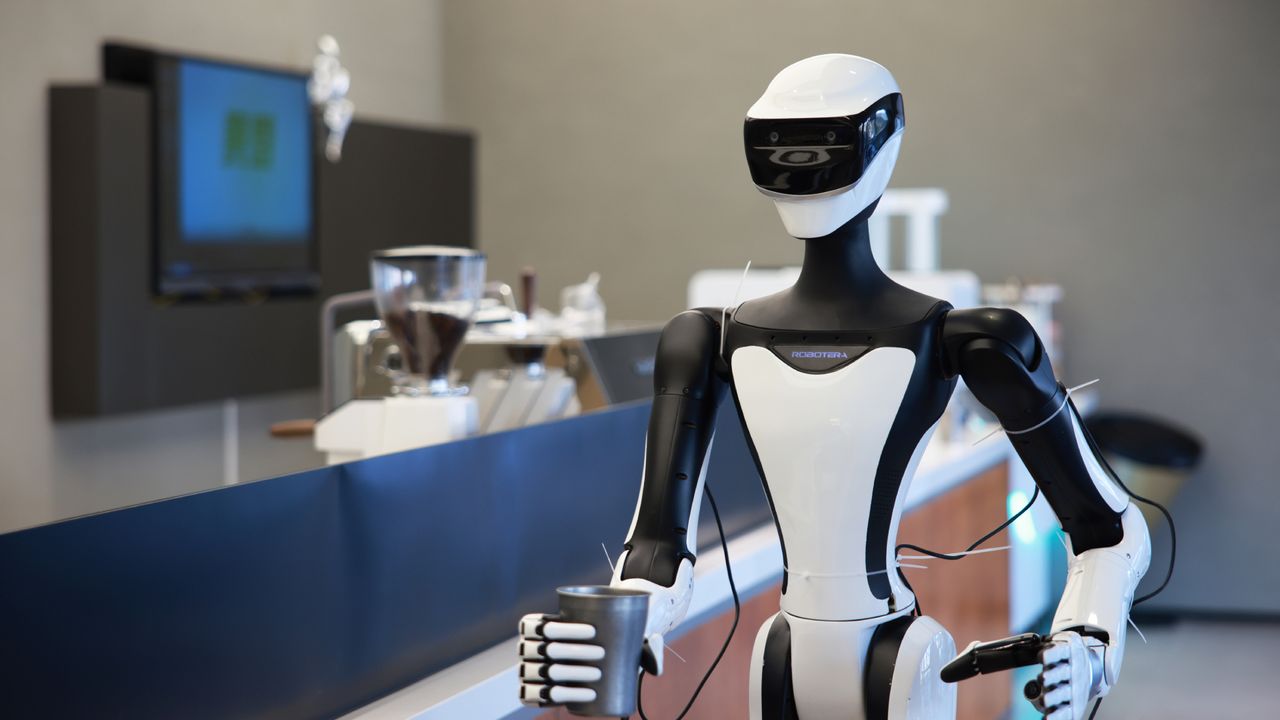
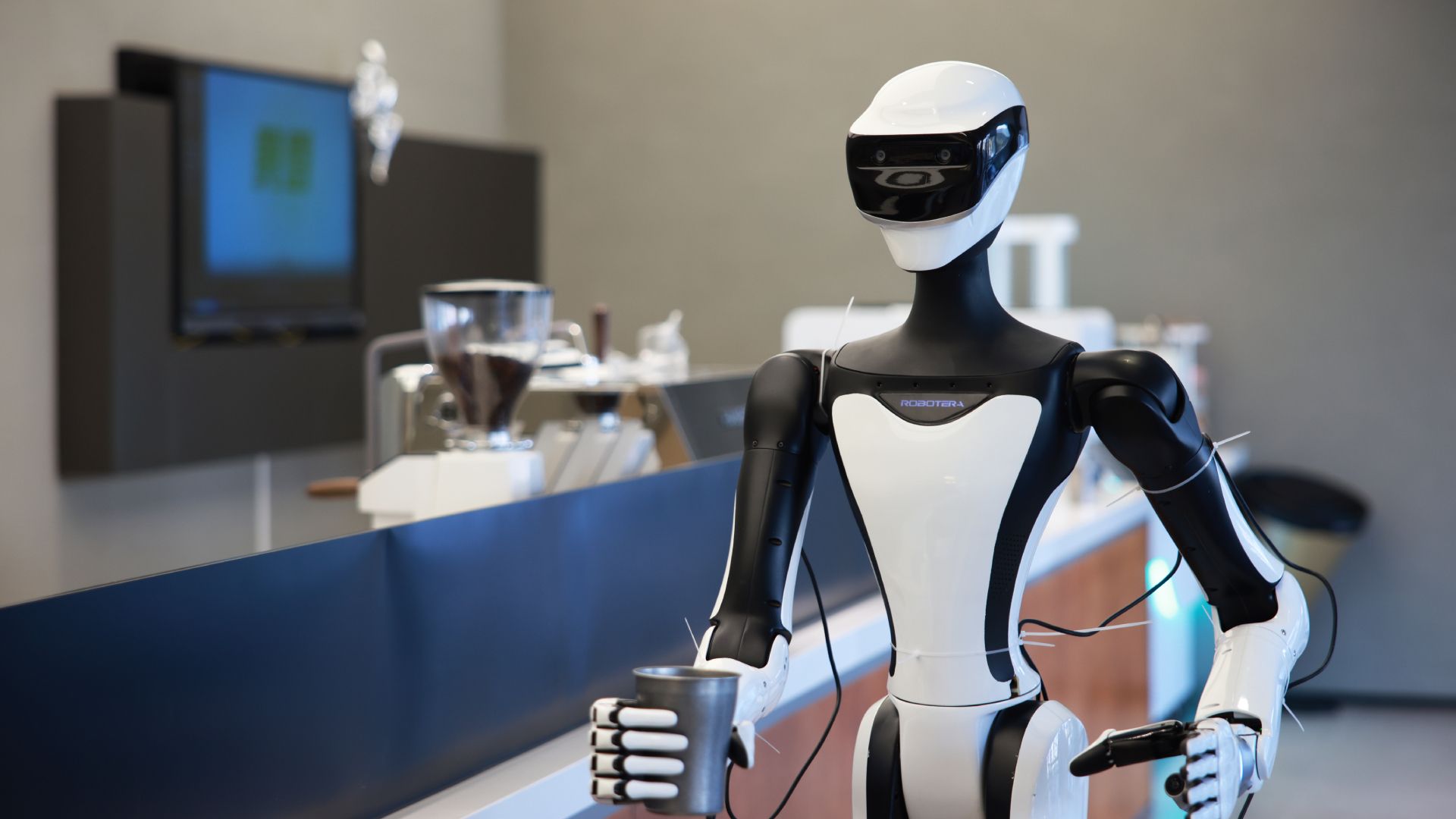
SoftBank’s plan centers on a startup that builds data centers using AI and robotics. Your first step is to articulate a clear value proposition. For example: “We will construct ultra-efficient, AI-optimized data centers where robots handle maintenance, cooling, and cabling, reducing human error and operational costs.” Write a one-page mission statement and outline key differentiators: energy efficiency, deployment speed, and autonomous operation.
Specific detail: Research shows that robotic data center maintenance can cut downtime by 30-40%. Include such metrics in your pitch deck.
2. Assemble a World-Class Team
SoftBank typically recruits top talent from AI, robotics, and data center engineering. You need:
- Chief AI Officer with experience in large-scale model training (e.g., from OpenAI or Google Brain).
- Robotics lead familiar with Boston Dynamics or similar.
- Data center architect who has built hyperscale facilities (e.g., from Meta or Amazon).
- CFO with IPO experience (preferably in tech).
Create a staffing plan: aim for 50 core employees in the first six months, expand to 200+ before IPO.
3. Secure Anchor Funding – The SoftBank Edge
SoftBank is both founder and investor. For a similar startup, secure a lead investor who can commit $5–10 billion in initial capital (like SoftBank’s Vision Fund). Structure the round as Series A with a pre-money valuation of $20–30 billion to leave room for growth. Key terms: preferred shares, board seats, and milestones tied to data center capacity (e.g., 1 GW of power deployed).
Code example (pseudo-financial model):
# Simple valuation projection
initial_capital = 5e9  # $5B
projected_revenue_year1 = 2e9
projected_ebitda = 0.4 * projected_revenue_year1  # 40% margin
multiple = 25  # typical for AI infra
valuation = projected_ebitda * multiple
print(f'Year 1 Exit Valuation: ${valuation/1e9:.1f}B')
This yields $20B – you need multiple years or exceptional growth to hit $100B.
4. Develop a Robotics-Integrated Data Center Prototype
Build a pilot facility (e.g., in Texas or Virginia) with at least 10 MW capacity. Integrate robotics for:
- Server rack installation (robotic arms).
- Thermal management (autonomous cooling bots).
- Security patrols (autonomous drones).
Use simulation software (Gazebo or NVIDIA Omniverse) to test before physical build. Publish a whitepaper on efficiency gains.
5. Scale Capacity and Negotiate Power Agreements
Data centers are power-hungry. Secure long-term power purchase agreements (PPAs) for 500 MW to 1 GW from renewable sources. Negotiate with utility companies for grid interconnection. Simultaneously, order GPUs (NVIDIA H100/B200) in bulk – aim for 100,000+ units to support AI training.
Expected cost: $3–5 billion per 100 MW facility.
6. Aggressively Grow Revenue via Leasing and AI Services
Monetize by leasing rack space to AI startups and cloud providers, and offering “Robotics-as-a-Service” for data center management. Target $500 million monthly recurring revenue within 18 months. Use a land-and-expand strategy: start with 10 customers (e.g., OpenAI, Cohere, Scale AI) and grow.
7. Prepare for the $100 Billion Valuation Journey
To hit a $100B valuation, you need compelling narratives:
- Projected revenue of $10B+ in 3 years.
- Gross margins >70% due to robotics automation.
- Strategic moat from proprietary AI chips (design with Arm partnership).
Engage investment banks (Goldman Sachs, Morgan Stanley) early for private placements. Use a two-track process: raise a private round ($10B+) and simultaneously prepare S-1 filing.
8. Execute the IPO Within 12 Months
SoftBank aims for an IPO this year – you must compress the timeline. Steps:
- Month 1-3: Hire underwriters, audit financials, build investor deck.
- Month 4-6: Roadshow to institutional investors, emphasizing AI tailwinds and robotics differentiation.
- Month 7-9: Price shares at $80–100, aiming for $100B market cap (1 billion shares).
- Month 10-12: Listing on Nasdaq (ticker: AIROB).
Key metric: Ensure your startup is generating at least $2B in annualized revenue before filing.
Common Mistakes
- Underestimating physical infrastructure costs: Data centers require massive upfront capital – don’t rely solely on future revenue projections. Secure committed funding.
- Ignoring regulatory hurdles: U.S. environmental reviews and local zoning can delay construction by 12-18 months. Pre-clear sites.
- Overvaluing the AI hype: SoftBank’s $100B target is ambitious – be ready to defend the valuation with solid unit economics.
- Neglecting robotics reliability: If robots fail, data center downtime costs millions. Have manual fallbacks.
- Rushing the IPO: Listing before reaching product-market fit can backfire. Ensure repeatable revenue.
Summary
SoftBank’s plan to launch a U.S.-based AI robotics data center startup targeting a $100 billion valuation and same-year IPO is audacious but grounded in proven strategies: define a clear AI+robotics vision, assemble a top team, secure massive funding, build scalable infrastructure, and execute a fast-tracked IPO. By following this step-by-step guide, you can replicate key elements of the blueprint. Remember, success depends on balancing technological innovation with financial discipline and regulatory awareness.