Breaking: New Design Movement Prioritizes Emotional Visibility and Systemic Navigation
A groundbreaking shift in design thinking is underway, one that places emotional visibility and systemic awareness at the core of creative leadership, according to strategist and author Alison Rand. In an exclusive interview, Rand argues that the next era of design must move beyond user interfaces to address how individuals navigate environments that were not built with them in mind.
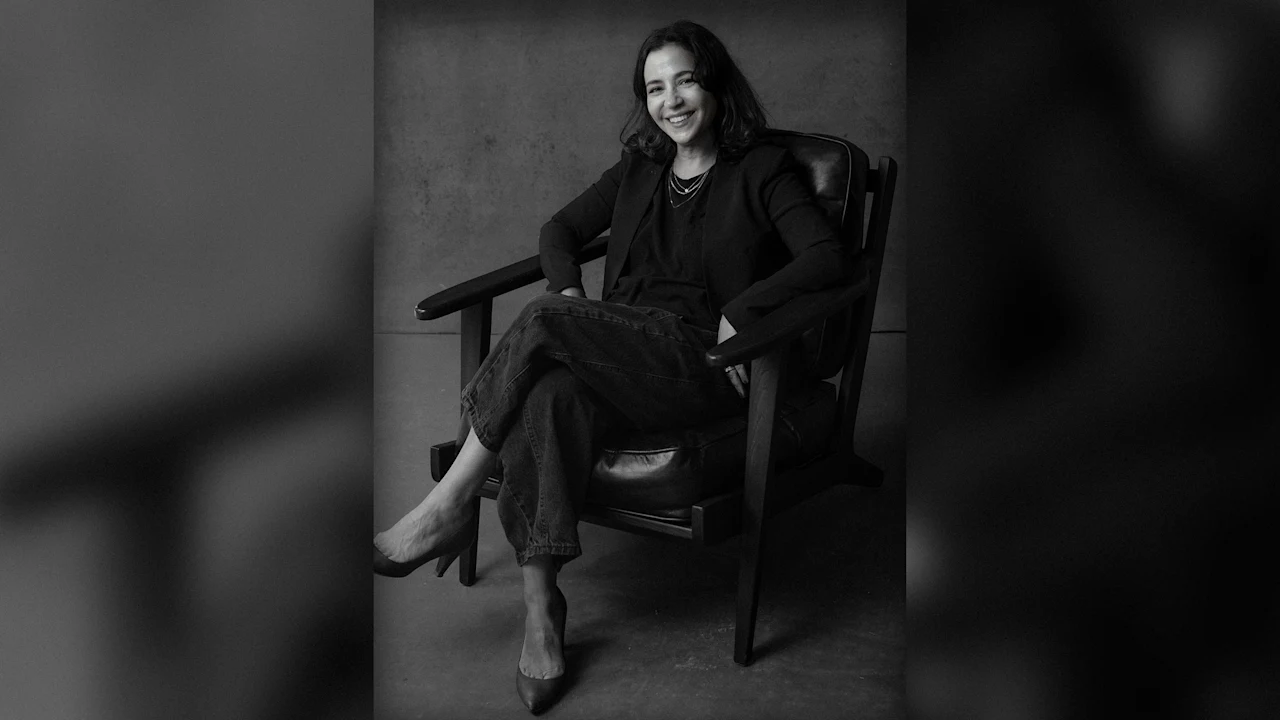
“We need to stop asking people to adapt to broken systems and start designing structures that see them,” Rand said. This radical reframing challenges traditional design approaches and calls for a deeper integration of representation, emotional labor, and foresight.
Key Quotes from Alison Rand
“My career path was unintentionally intentional—I tripped and fell, but I always used my fine art background and curiosity about humans to guide me.”
“Adversity can be a professional superpower, especially when you’re navigating systems that weren’t built with you in mind.”
Rand, who co-founded the social health platform Forty Fifty and authored the book Sentido with MIT Press, emphasized that designers must embrace organic intelligence—an innate ability to sense meaning and direction—as a counterbalance to artificial intelligence. “AI needs sharper judgment, intuition, and responsibility from designers,” she said.
Background: A Career Built on Complexity
Rand’s journey began in art history, with dreams of restoring frescoes. After graduating, she joined IBM as a secretary and discovered the dot‑com world, teaching herself to code and becoming a developer. She later landed at agencies like Huge and Hot Studio, where she built early UX practices and learned human‑centered design.
Now a design leader and consultant, Rand uses systems thinking to untangle how people work, how decisions travel, and how culture is shaped through organizational structure. She is also pursuing a master’s in Strategic Foresight at the University of Houston, blending future‑looking methods with design strategy.
Her Book Sentido: A Feminist Manifesto for Leaders
Rand’s book, Sentido—a Spanish word meaning sense, direction, and awareness—serves as both a personal story and a leadership field guide. “It’s about navigating systems that weren’t built with you in mind, which is true for so many people, especially women,” she explained. The book also addresses intuition, identity, and power, and calls out the emotional labor behind leading creative teams.
What This Means for the Design Industry
This emerging focus on emotional visibility and systemic navigation signals a departure from traditional user‑experience metrics. Designers will need to account for the emotional toll of working within exclusionary structures and actively redesign those systems to foster belonging.
Furthermore, Rand’s work emphasizes the role of foresight in equipping designers to meet AI with sharper judgment. “We have a responsibility for the futures we’re shaping,” she said. The implication is clear: design education and practice must integrate foresight, emotional intelligence, and a deep understanding of power dynamics—or risk perpetuating the very inequalities they aim to solve.
As the movement gains traction, industry leaders are urged to explore how their own teams can become more inclusive and empathetic. Use the anchor links above to jump to key sections of this article for more details.