Introduction
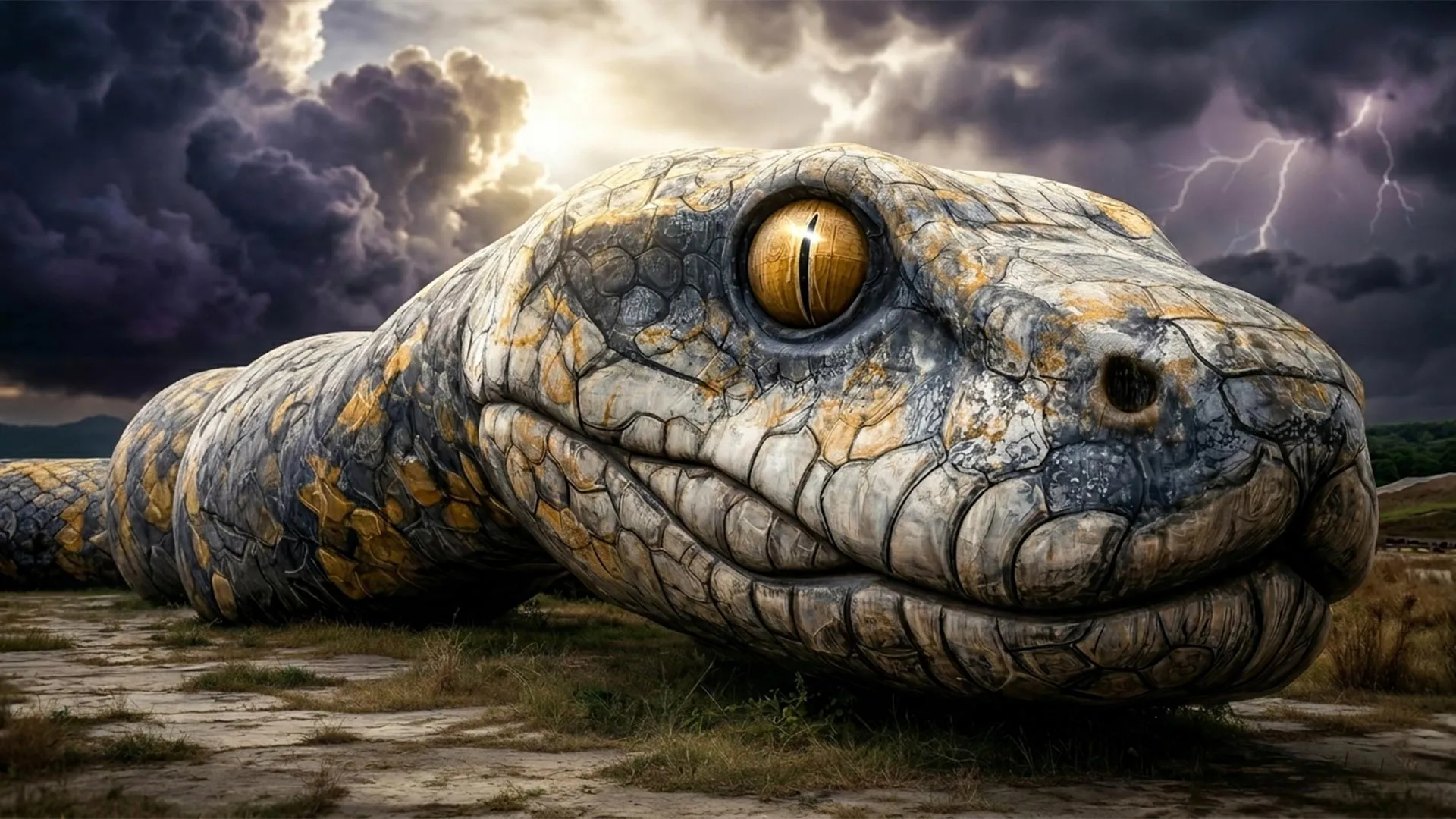
Imagine discovering a snake that stretched longer than a city bus—one that slithered through ancient Indian swamps 47 million years ago. This isn't a scene from a movie; it's the true story behind Vasuki indicus, a colossal prehistoric snake recently identified from fossilized vertebrae found in a Gujarat lignite mine. In this guide, you'll learn how paleontologists go from finding a single bone to reconstructing a giant that rivals the legendary Titanoboa. Whether you're a budding fossil hunter or just curious about ancient life, these steps will show you the detective work behind one of the biggest snake discoveries ever.
What You Need
- Field tools: geological hammer, chisel, brush, GPS, measuring tape
- Safety gear: hard hat, gloves, goggles (for mine sites)
- Research materials: existing fossil databases, comparative anatomy references (e.g., modern anaconda skeletons)
- Lab equipment: calipers, microscope, CT scanner (optional), 3D modeling software
- Patience and a sharp eye: fossil hunting requires days of slow, careful searching
Step-by-Step Guide
Step 1: Identify a Promising Fossil Site
Look for sedimentary rock layers from the Eocene epoch (about 56 to 33.9 million years ago) in tropical regions. Lignite mines, like the one in Gujarat, India, are excellent because they preserve remains of swamp-dwelling creatures. Check geological maps for coal or lignite deposits that once were lush delta environments. Permits and permissions are required—collaborate with local authorities or universities to access such sites legally.
Step 2: Conduct Systematic Surface Surveys
Walk the site in a grid pattern. Focus on exposed rock faces and spoil heaps where erosion reveals fossils. With every step, scan for unusual textures or patterns. A snake vertebra often looks like a small, rounded bone with a central hole (for the spinal cord). Brush away loose dirt and examine any promising shards with a hand lens. Document the exact location using GPS coordinates and photograph the bone in situ before removal.
Step 3: Excavate the Fossils Carefully
Once a vertebra is spotted, clear the surrounding rock with a chisel and hammer, working from the outside inward. Keep a buffer of rock around the bone to prevent damage. Use brushes to remove dust. For larger or fragile specimens, apply a field jacket (plaster bandages) to protect the fossil during transport. Every fragment matters—even broken pieces can reveal important features. In the case of Vasuki indicus, scientists recovered multiple well-preserved vertebrae that allowed size estimation.
Step 4: Measure and Describe Each Bone
In the lab, clean the fossils (using air scribes or acid baths if needed). Use calipers to record length, width, and height of each vertebra. Note the shape of the centrum (the main body) and the orientation of the processes (spines). For Vasuki indicus, the vertebrae were thick and robust, indicating a heavy-bodied snake. Compare these measurements to known modern snakes (like the anaconda) to guess the animal's build. See the Tips section for common pitfalls.
Step 5: Estimate Total Body Length
Use regression equations that correlate vertebral size to total length in modern snakes. Paleontologists rely on the fact that snake vertebrae are roughly proportional to body length within a species group. For Vasuki indicus, the vertebrae suggested a total length of 11–15 meters (36–50 feet). Cross‑check with two or three different methods (e.g., comparison with Titanoboa vertebrae published in literature). Record your confidence intervals.
Step 6: Analyze Lifestyle and Hunting Strategy
Examine the shape of the vertebrae for clues about movement. Widened, flattened vertebrae often belong to ambush predators that held their ground. The Vasuki indicus fossils suggest a slow-moving, thick-bodied snake that likely constricted prey, like modern anacondas. Also look for associated fossils (e.g., turtle or crocodile remains) in the same layer—they could be prey items. This step turns a collection of bones into a living, breathing creature.
Step 7: Publish and Name the Discovery
If you're certain the snake is a new species, write a scientific paper comparing your fossils to all known giant snakes. Choose a name—Vasuki indicus combines the name of a mythical serpent king (Vasuki) with India (indicus). Submit the paper to a peer-reviewed journal like Scientific Reports or Journal of Vertebrate Paleontology. Include detailed photos, measurements, and a map of the find. This final step shares the discovery with the world.
Tips for Success
- Don't rely on a single bone: One vertebra can be misleading. Multiple, well-preserved specimens give a much more reliable size estimate. Vasuki indicus was described from several vertebrae.
- Compare with close relatives: Using modern anacondas makes sense because of similar body plans. Avoid comparing with slender colubrids—they'll inflate length estimates.
- Be aware of preservation distortion: Vertebrae can be squashed or broken during fossilization. Use CT scanning to see internal structures if possible.
- Work with a team: Paleontology is collaborative. Geologists help date the rock layers, and anatomists verify bone identifications.
- Keep detailed field notes: Even if the site seems unpromising, record everything—later you might spot patterns that lead to more fossils.
By following these steps, you can appreciate how a handful of ancient bones from a mine in Gujarat revealed one of the largest snakes ever known. Every fossil tells a story, and with careful work, you might be the next to uncover a wonder of prehistoric life.